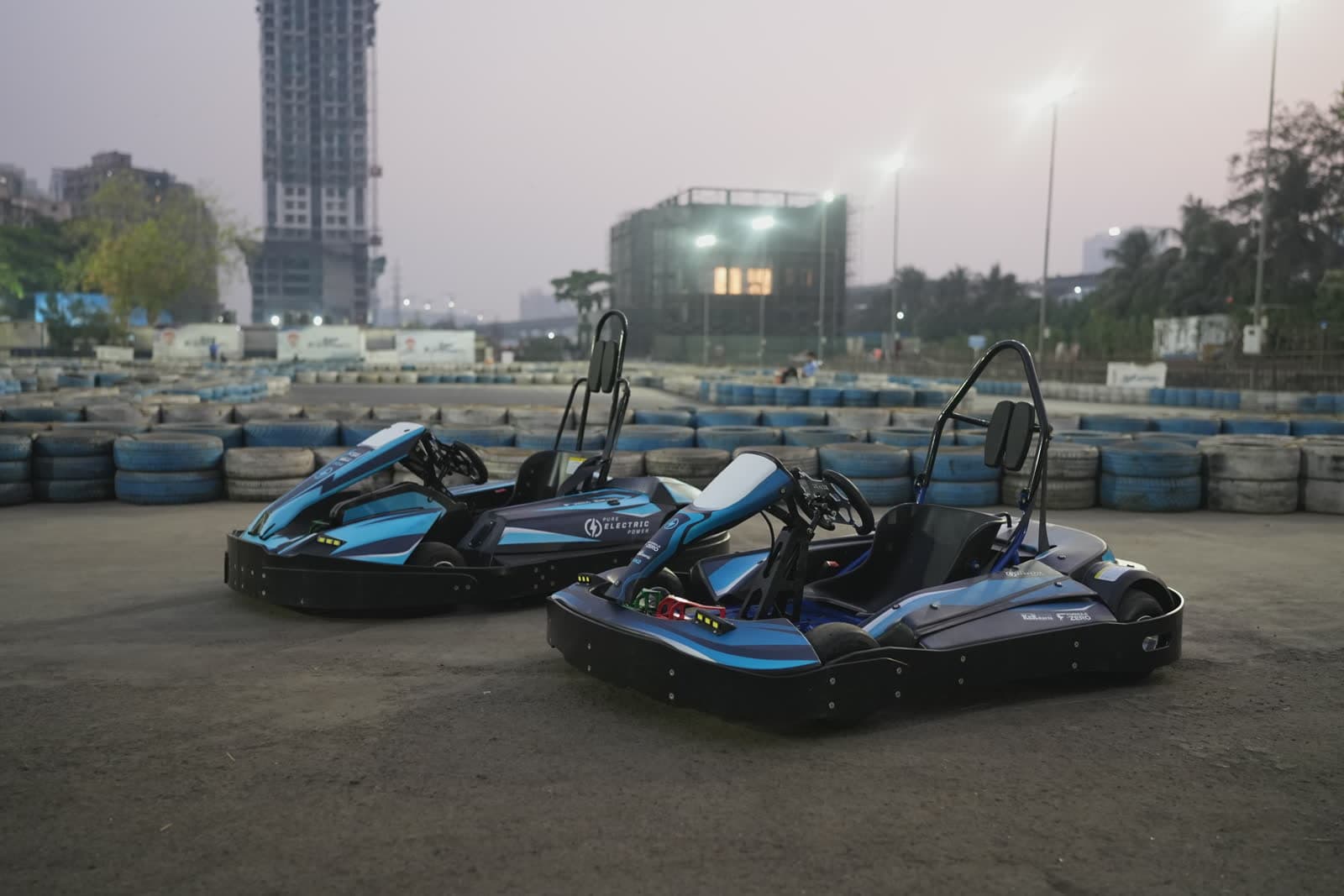
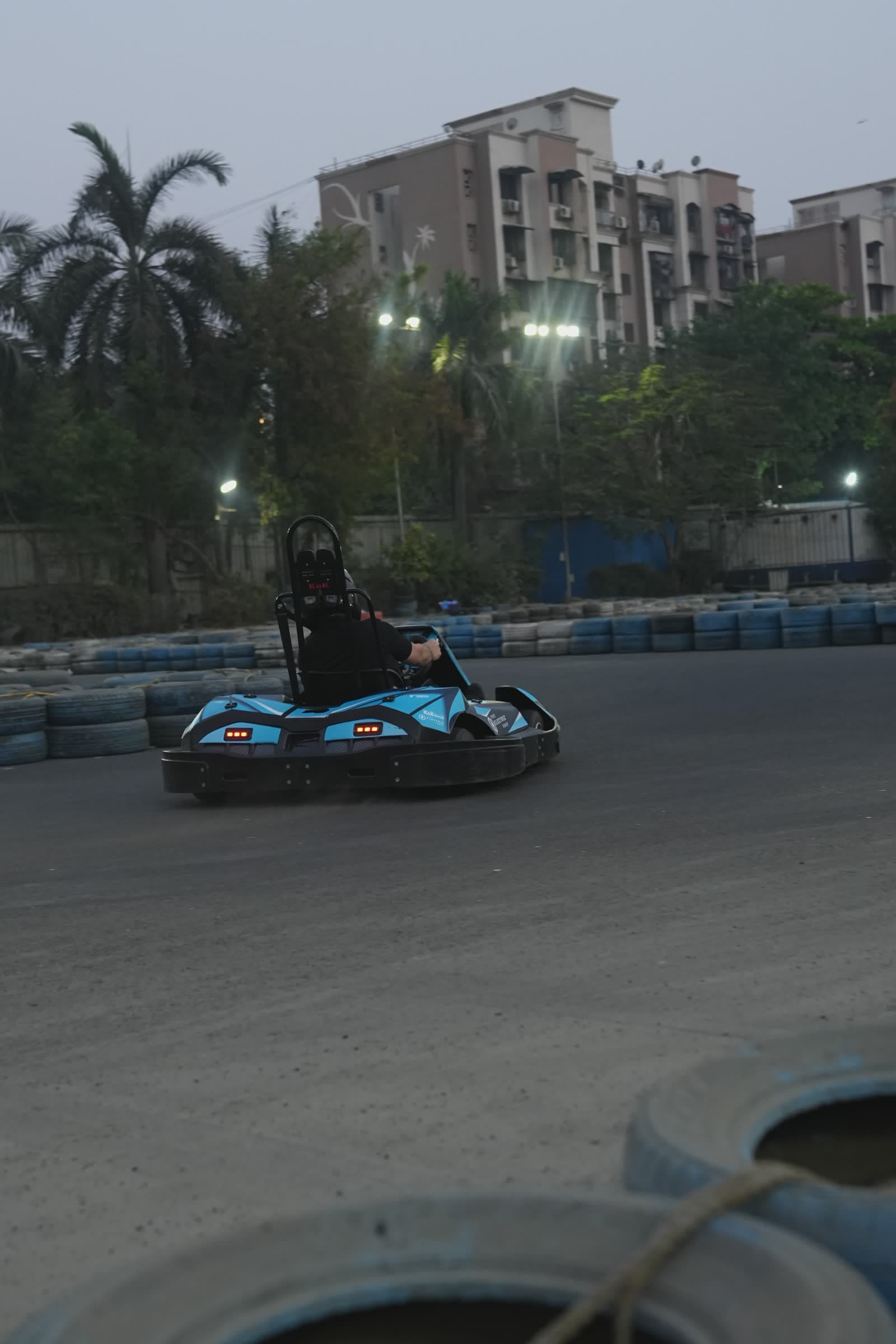
The Business Case for Switching to Electric Karts
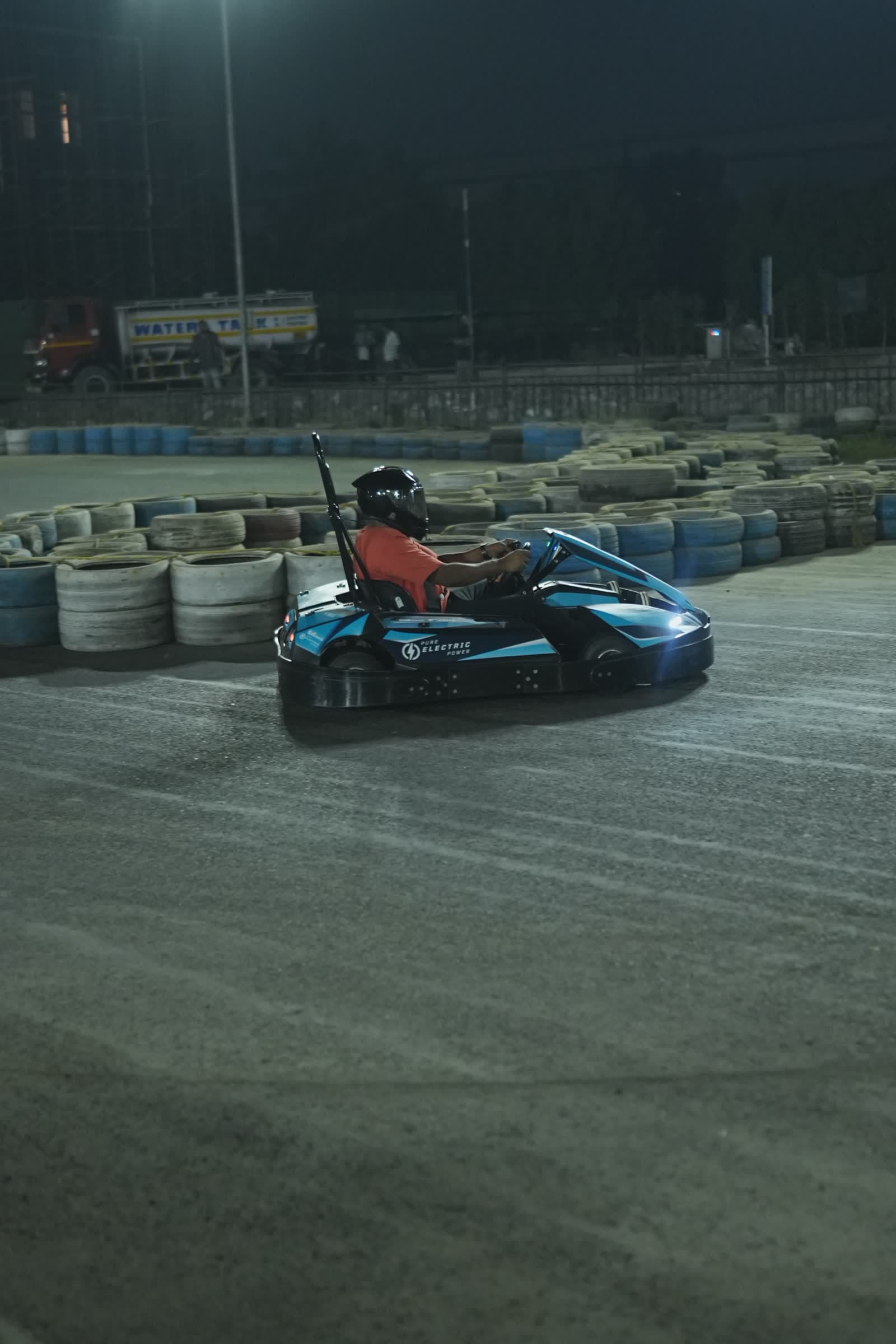
The Numbers That Close the Argument
A 10-kart petrol fleet costs ₹30 lakhs per year in fuel, oil changes, spark plugs, and engine rebuilds. The same fleet running electric costs ₹7-8 lakhs in running costs (electricity plus minor maintenance). That gap alone pays for the switch within ~3 months.
But the real business case goes beyond fuel savings. It changes how your track operates, how much revenue you can pull per day, and how your customers talk about you after they leave.
Revenue Per Hour Goes Up
Petrol karts need cooldown periods, refuelling stops, and engine checks between sessions. Electric karts rotate instantly. No fuel spills, no hot engines, no idle time. Track operators running electric fleets report 30-40% more sessions per day. At ₹500-800 per session, that is 6-10 extra sessions daily. Over a month, that is ₹1-2.5 lakhs in additional revenue from the same fleet.
Higher throughput is not theoretical. It is the direct result of eliminating mechanical downtime. Formula-Zero karts with FlashCharge top up in 10 minutes, so your fleet stays on track all day.
Maintenance Becomes Predictable
Petrol kart maintenance is reactive. Engines fail, chains snap, carburettors clog. Each breakdown pulls a kart off the floor and your mechanic into triage mode. Electric karts have 60-70% fewer moving parts. No engine oil, no transmission, no exhaust system. Maintenance drops to brake pads, tyres, and periodic battery health checks.
For operators, this means you can forecast maintenance costs per kart per month instead of budgeting for surprises. Predictable costs make profitable months repeatable.
The Customer Experience Advantage
Noise, fumes, and heat are the top three complaints at petrol karting venues. Electric karts eliminate all three. That opens up indoor venues, mall locations, and family entertainment centres where petrol was never an option. It also means longer customer dwell time. No one rushes out of a clean, quiet venue. They stay for another session, grab food, bring friends back.
Insurance and Compliance
Lower incident rates from software-controlled speed limits translate to reduced insurance premiums. No fuel storage means simpler fire safety compliance. These are not flashy numbers, but they compound. A venue spending ₹50,000 less on insurance and ₹30,000 less on fire safety annually adds ₹80,000 straight to the bottom line.
The Timing Factor
India's commercial karting market is growing fast. Operators who switch to electric now lock in the cost advantage before fleet prices rise with demand. Waiting 18 months means paying more for the same karts while early adopters have already recovered their investment.
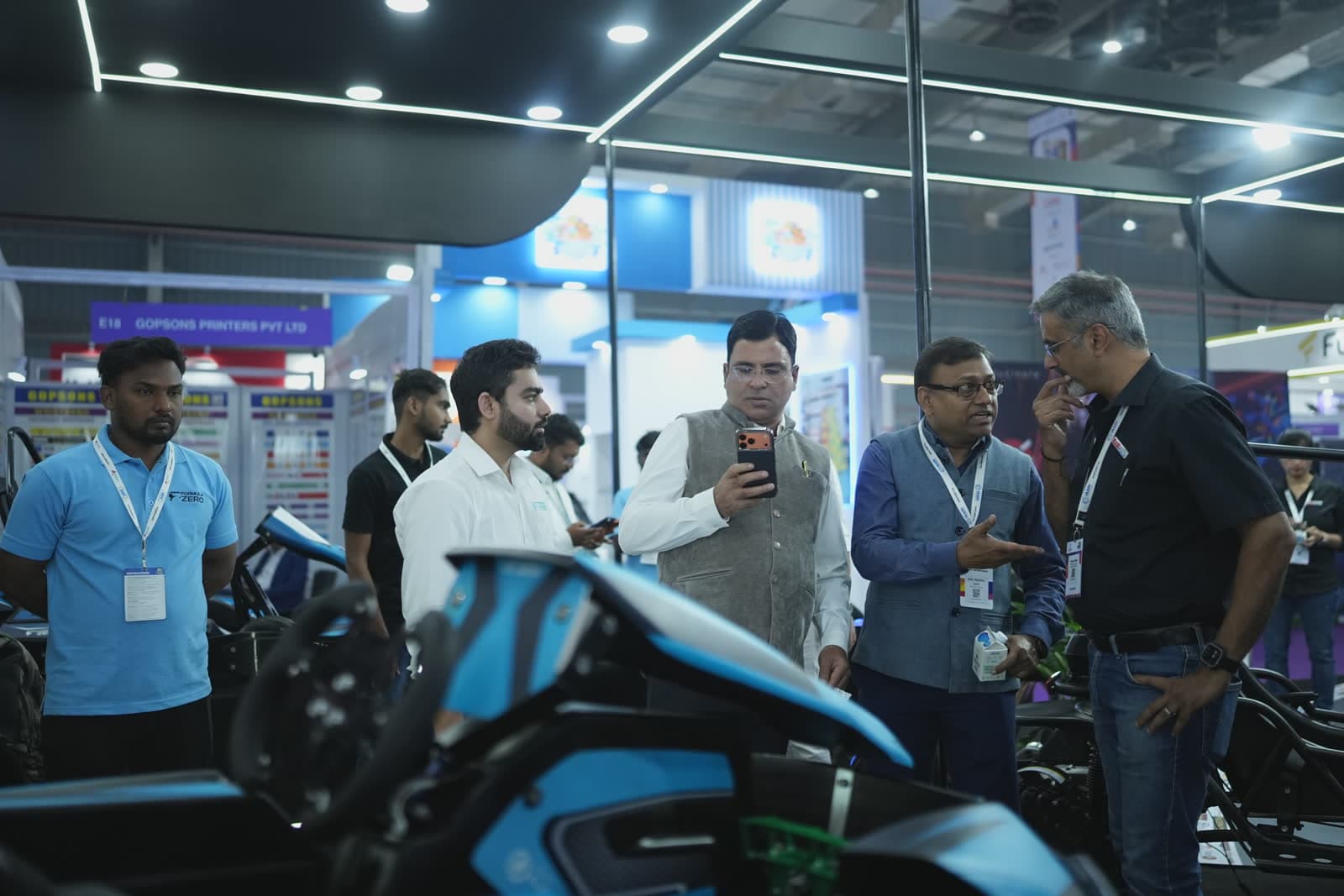
Run the numbers for your specific track on our ROI calculator, or talk to our team about a fleet configuration that fits your venue. The business case is not close. It is decisive.