Multi-Model Fleets: Why Smart Operators Mix Kart Types
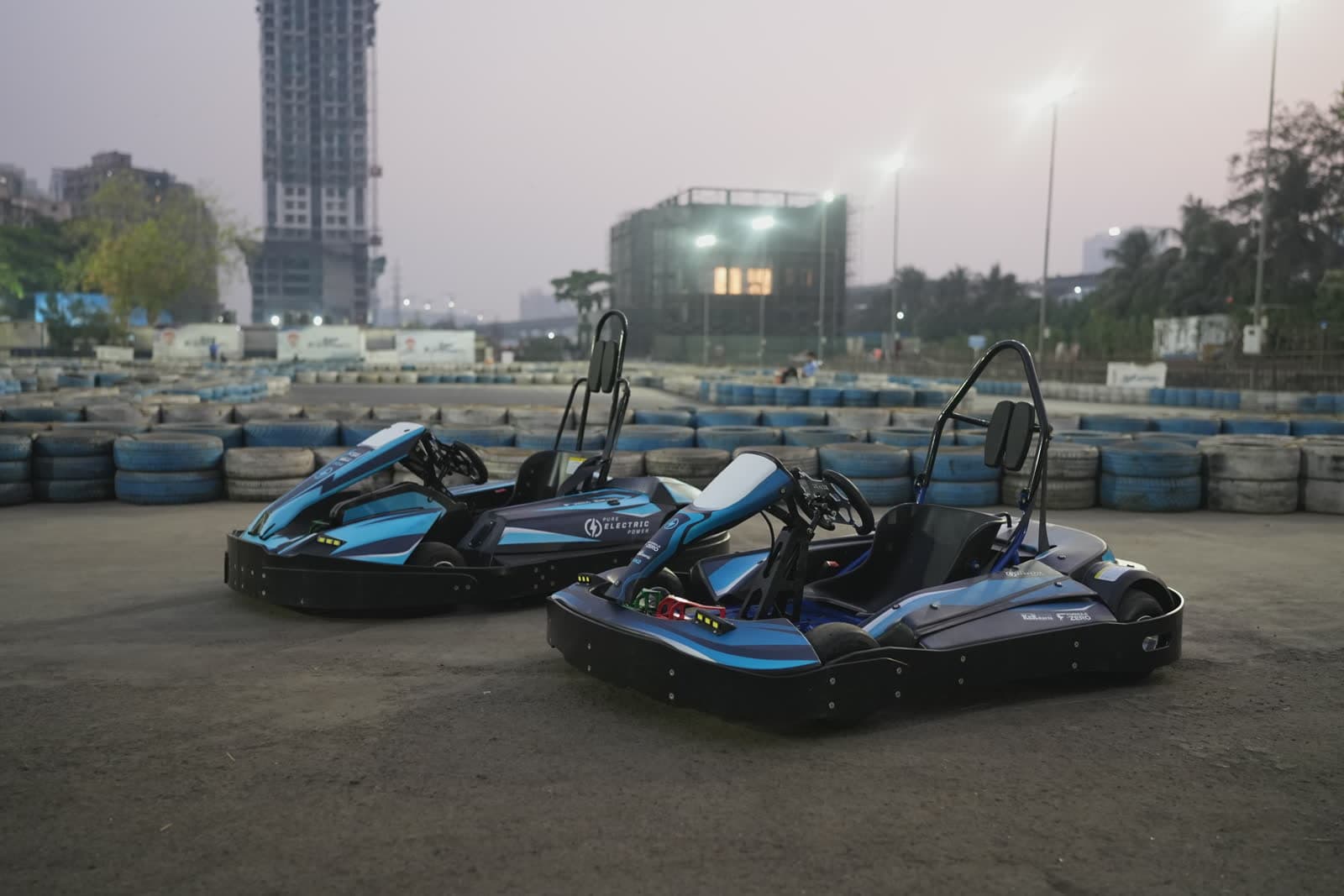
A track with 12 identical karts serves one audience. A track with 10 adult karts, 2 twin-seaters, and 2 junior karts serves four: thrill-seekers, casual racers, couples, and families. Same square footage, dramatically different revenue.
Most operators start with a single model. It makes sense for launch. But the ones scaling past ₹80 lakh monthly revenue almost always run mixed fleets. Here is why, and how to get the mix right.
The single-model ceiling
A fleet of identical high-performance karts attracts a narrow demographic: young adults who want speed. That is a great segment, but it peaks. Weekend afternoons fill up. Weekday mornings stay empty. Families walk in, see karts their 7-year-old cannot drive, and leave.
Every walk-away is lost revenue. Not just that session, but the birthday party they would have booked, the corporate event they would have recommended, and the repeat visits from their kids.
What a mixed fleet unlocks
More sessions per hour
Different kart types can run in rotation. While adult karts are on track, junior karts run a separate session on a shorter loop. Twin-seaters fill gaps between competitive heats. You are not waiting for one group to finish before the next starts. You are running parallel revenue streams.
Higher average ticket price
Twin-seater sessions command a premium because they sell two tickets per kart. A 14-kart fleet with 2 twin-seaters generates the ticket revenue of a 16-kart fleet. The TSE twin-seater is the most efficient revenue-per-kart model in the lineup for exactly this reason.
Weekday demand
Corporate groups want team-building, not lap records. Families visit on weekday afternoons. Junior karts and twin-seaters turn these dead hours into revenue. Operators running mixed fleets consistently report 30-40% higher weekday utilization than single-model tracks.
Birthday and event packages
Birthday parties are the highest-margin sessions for most tracks. A family books 8 adult karts plus 4 junior karts for a two-hour slot. Without junior karts, you lose the booking entirely or the kids sit out. Mixed fleets make premium packages possible.
The recommended split
Two fleet templates work for most venues:
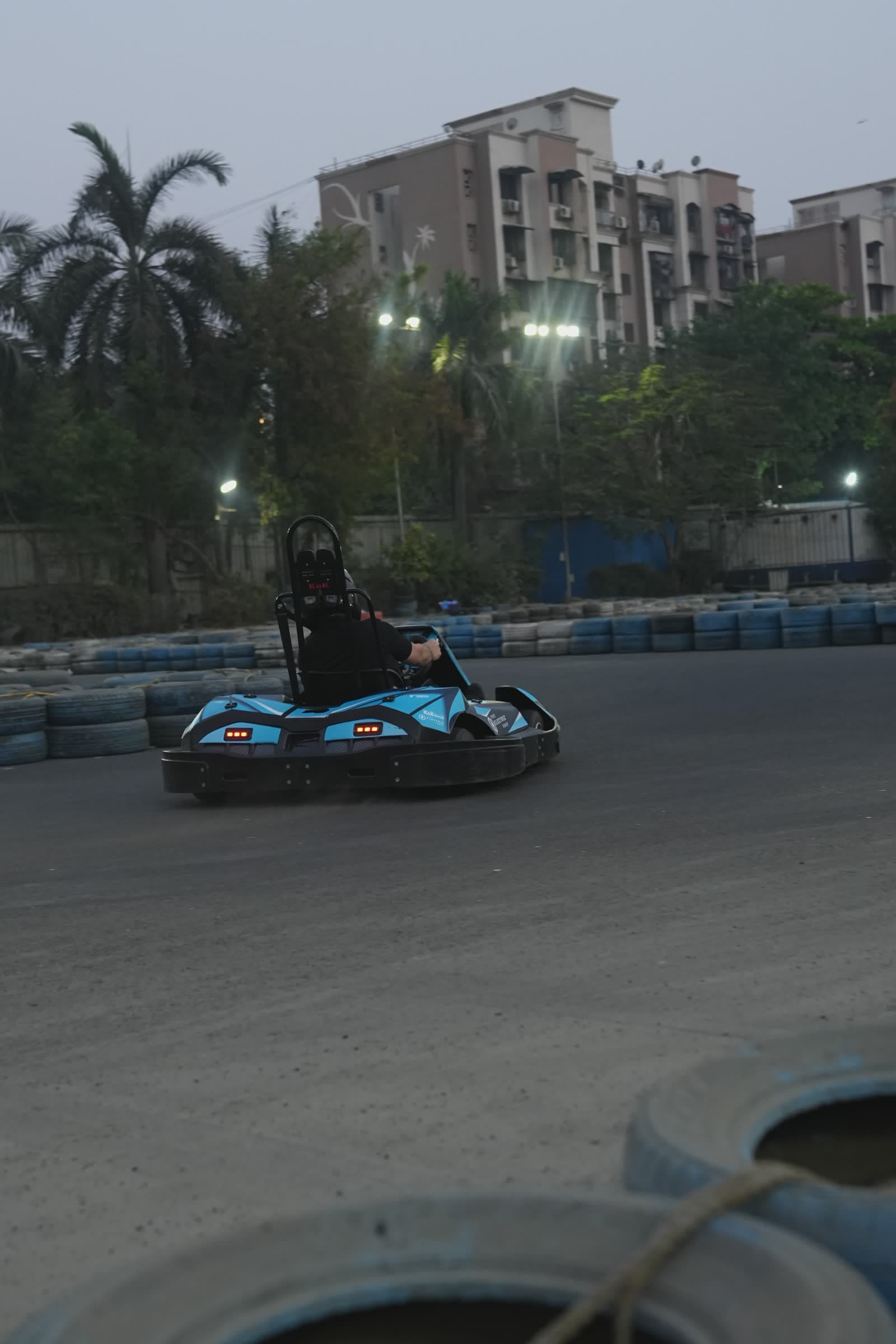
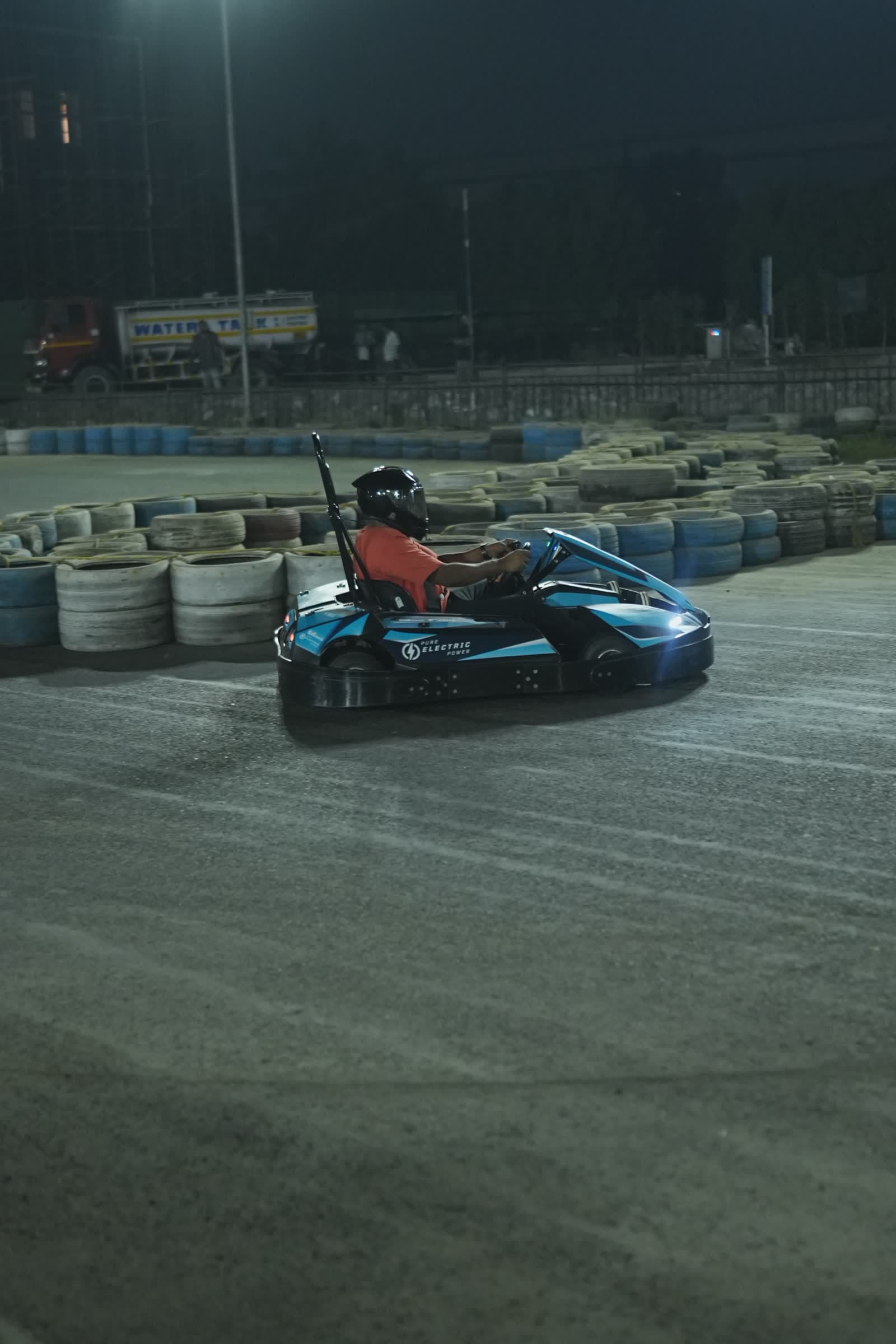
Performance fleet (racing-focused venues): 10 EK2-X + 2 TSE + 2 Gen-Z. The EK2-X handles competitive racing. TSE and Gen-Z cover families and younger riders without diluting the racing brand.
Value fleet (entertainment venues, malls, resorts): 10 MK2 + 2 TSE + 2 Gen-Z. The MK2 delivers excellent runtime with QuickSwap battery economics. Better suited to high-throughput casual environments where session volume matters more than top speed.
Both templates land at 14 karts. At 6 peak hours per day and ₹500 per session, a 14-kart mixed fleet generates over ₹12 lakh in monthly revenue. Run the numbers yourself with the Fleet Builder tool.
Common mistakes
Over-indexing on junior karts. Two to four is enough for most tracks. Junior sessions are shorter and lower-priced. They complement the fleet but should not dominate it.
Ignoring twin-seaters. Operators see them as niche. In practice, the TSE consistently outearns per-unit because every session sells two tickets. Two TSE karts in a 14-unit fleet can account for 15% of daily revenue.
Buying all at once. Start with your core fleet (10-12 adult karts), run for 60 days, then add twin-seaters and junior karts based on actual demand data. You will make a better mix decision with real booking patterns than with assumptions.
The bottom line
Single-model fleets optimize for one thing. Mixed fleets optimize for revenue. The math is straightforward: more audience segments served means more sessions filled means more money earned per day from the same track.
If you are planning a fleet or looking to expand, build your ideal mix or talk to us directly about what works for your venue type.