Blog
Insights for Track Operators
Industry trends, product updates, and practical guides to help you run a better karting business.
Blog
Industry trends, product updates, and practical guides to help you run a better karting business.
 Product
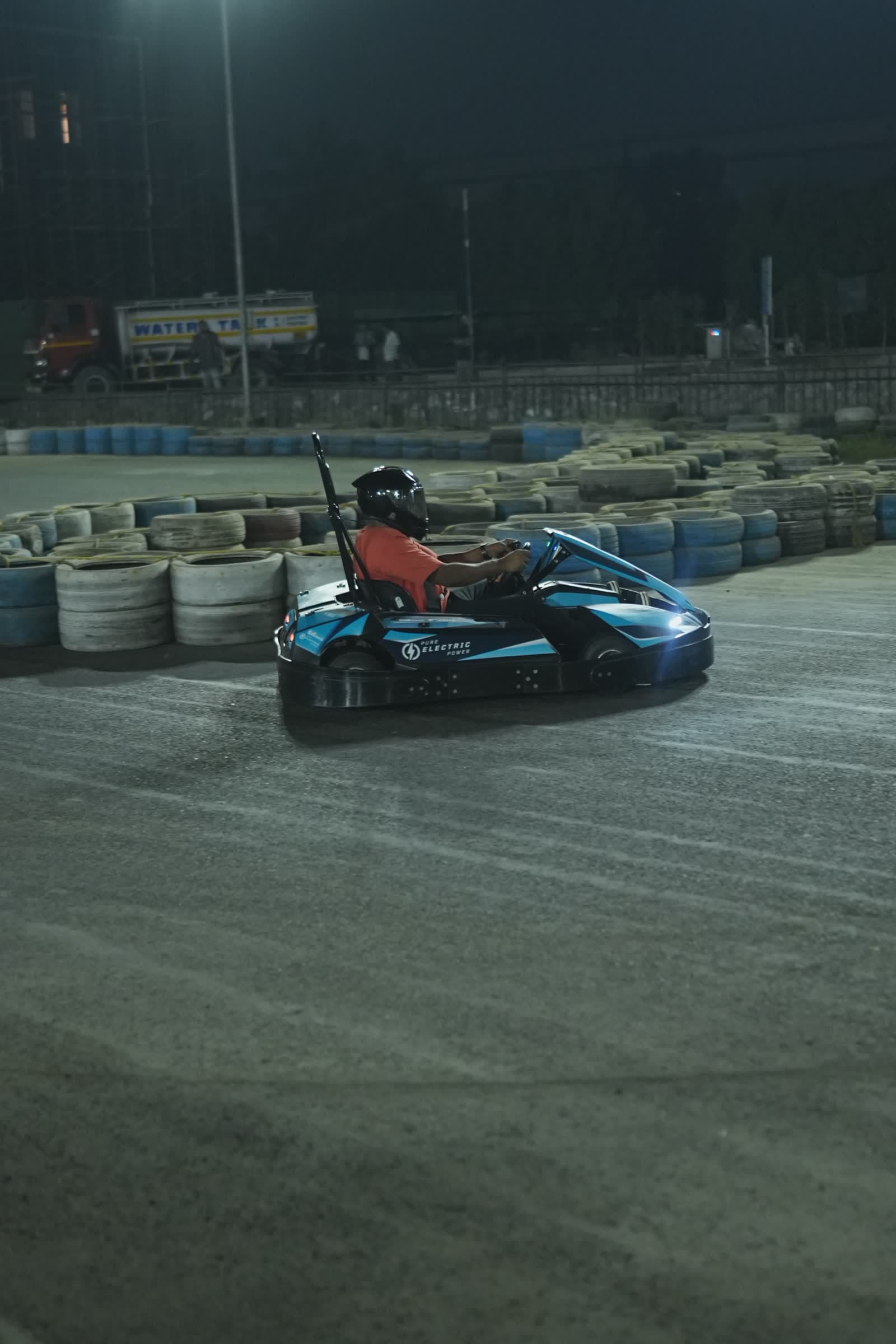
RaceParX is now Formula-Zero's global distributor, bringing Formula-Zero powertrain technology to commercial karting operators worldwide. The platform powers the new RaceParX Apex 2.0. This is an impo
 Product
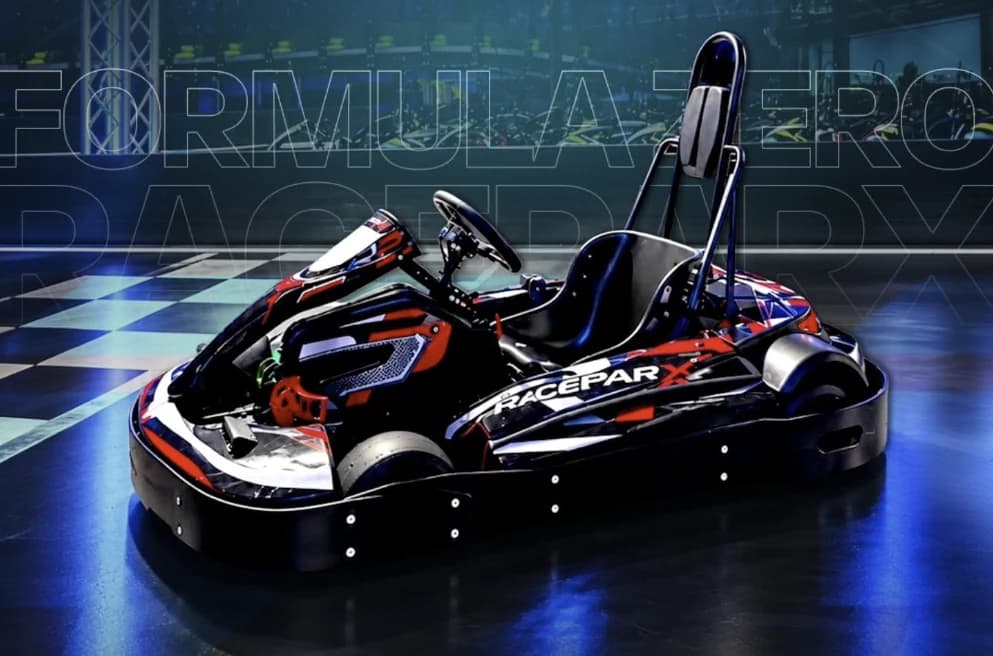
A New Electric Karting Venue for Chennai The Grid Karting Club has opened in Chennai with a 10-kart Formula-Zero MK2 fleet at the centre of the experience. The new venue combines a 410-metre circuit,
 Industry
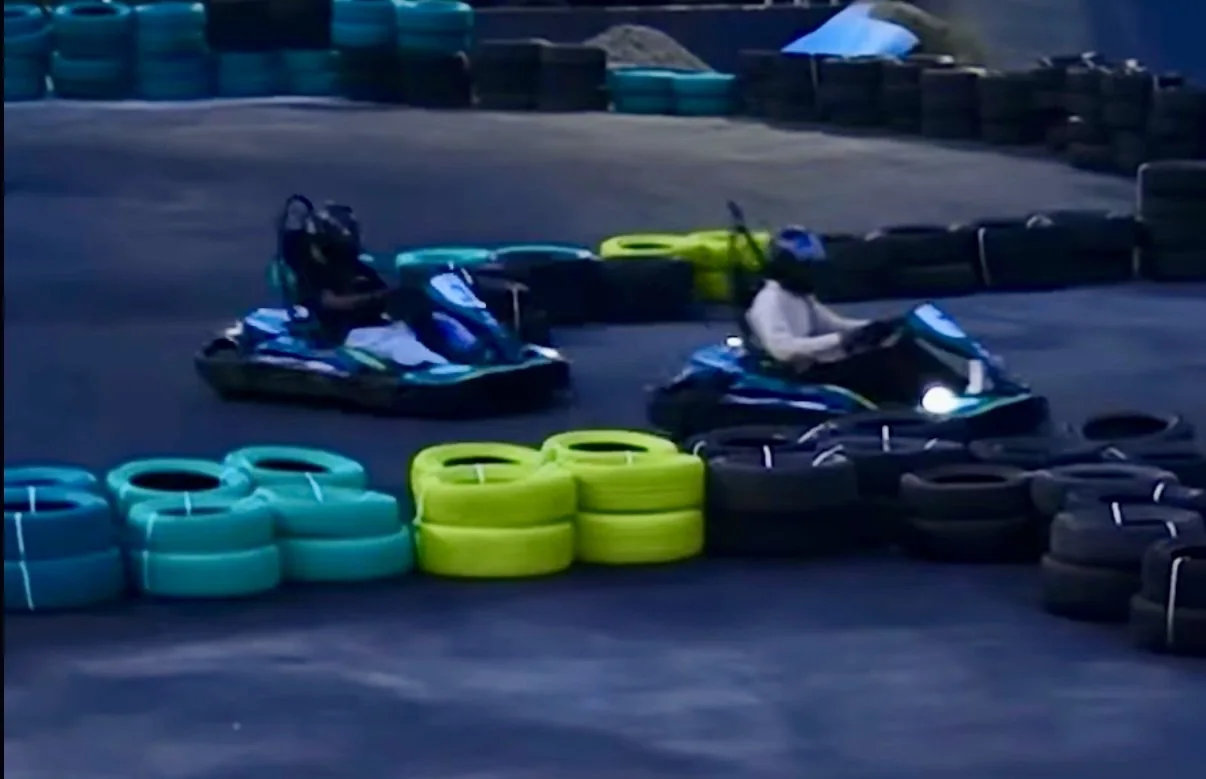
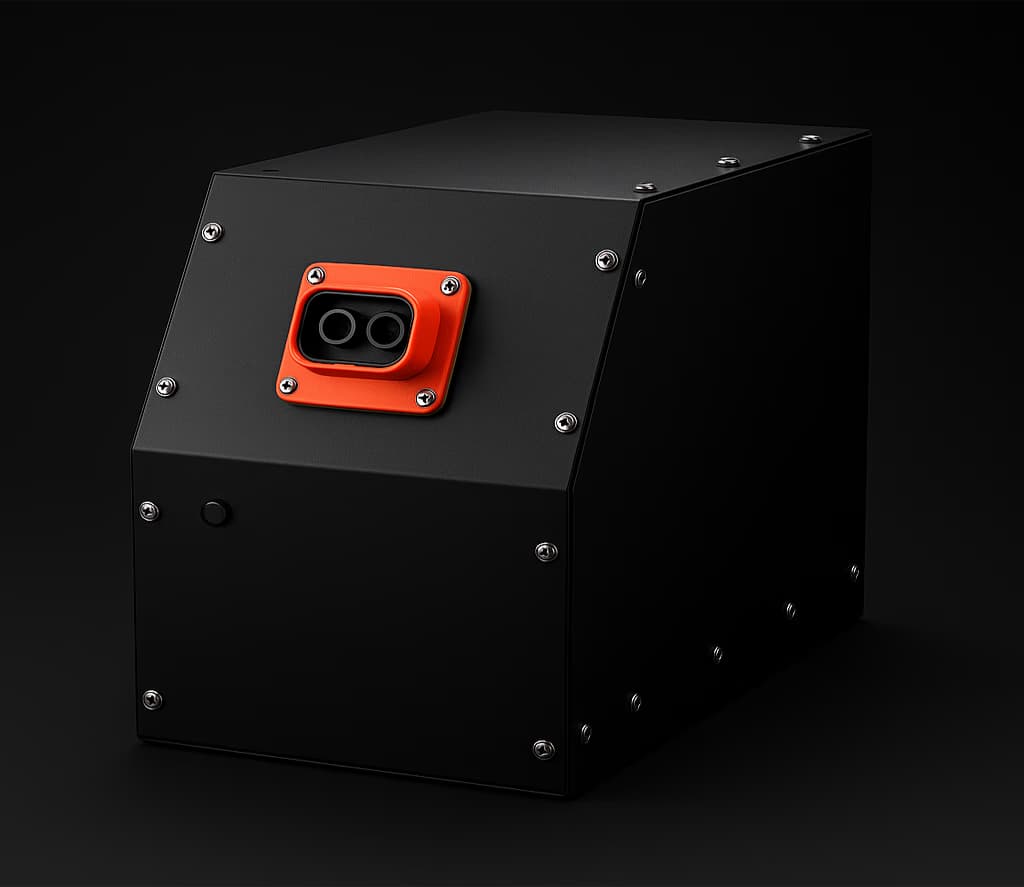
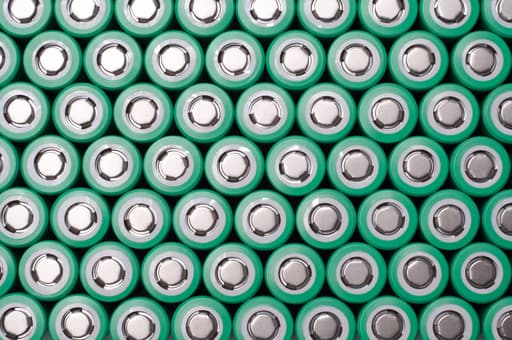
Most of what's online about electric go-kart batteries is written for hobby karts. A quick search returns articles citing "15-30 minutes per charge" and "replace every two years." Those numbers are co
 Product
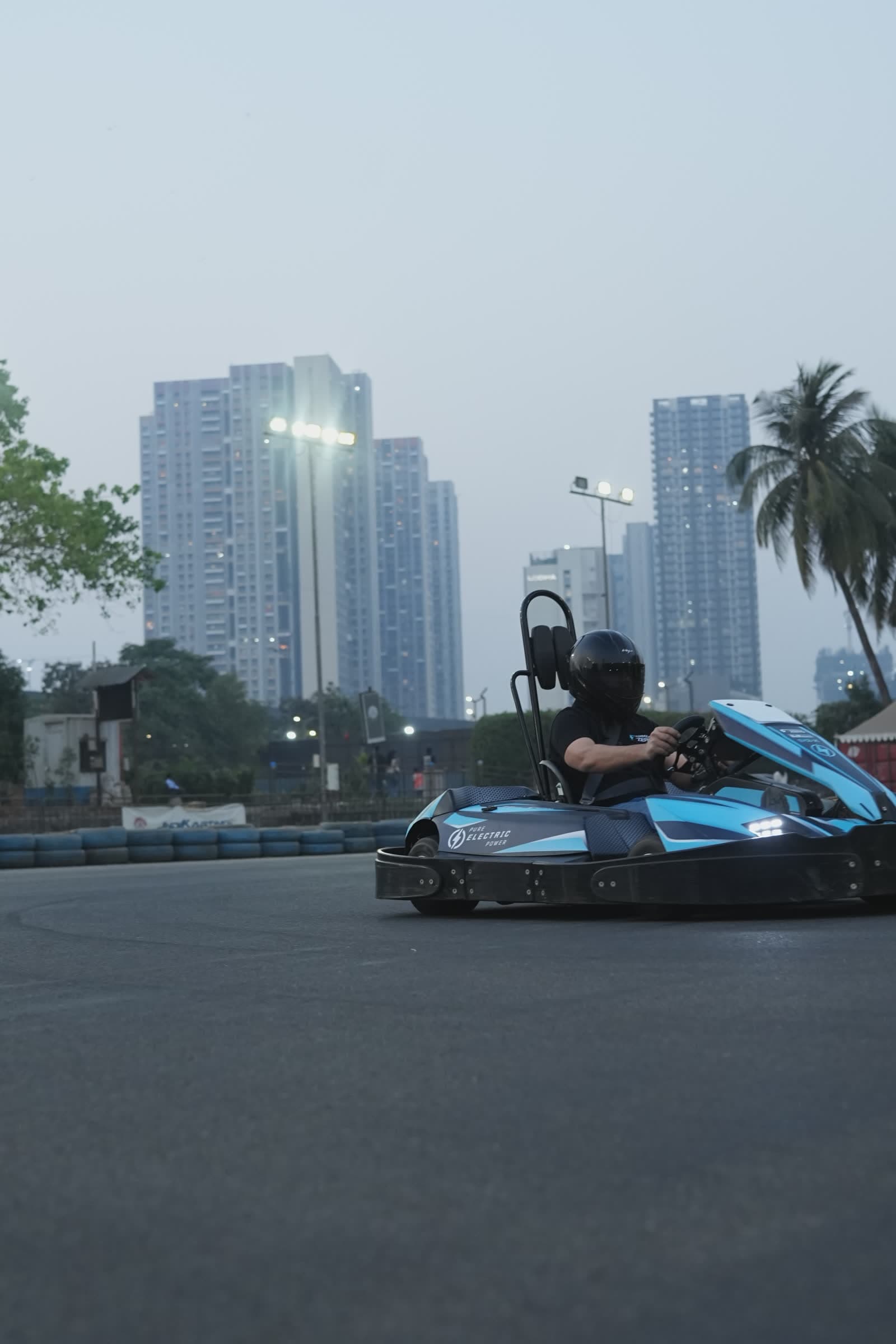
The Indian operator's question nobody on international karting blogs answers honestly: does this thing actually work when my track hits 45°C in April, May, and June? This is a fair question. Most elec
 Guide
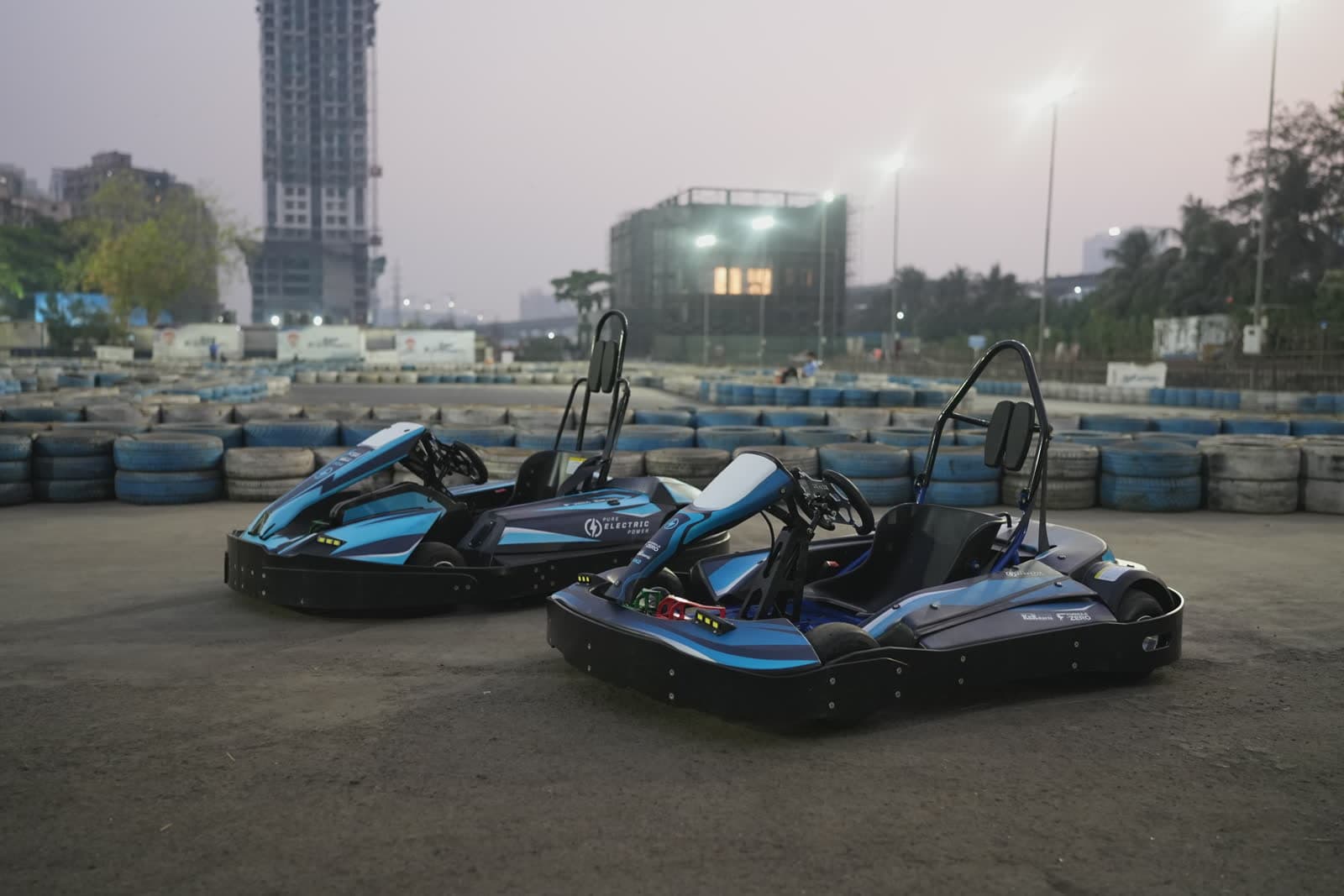
GuideThe Indian karting market is sitting at a rare inflection. Fewer than 200 commercial tracks serve 1.4 billion people. CSML projects the market growing from ₹300 Cr today to ₹1,000 Cr by 2030. Tier 1 m
 Business
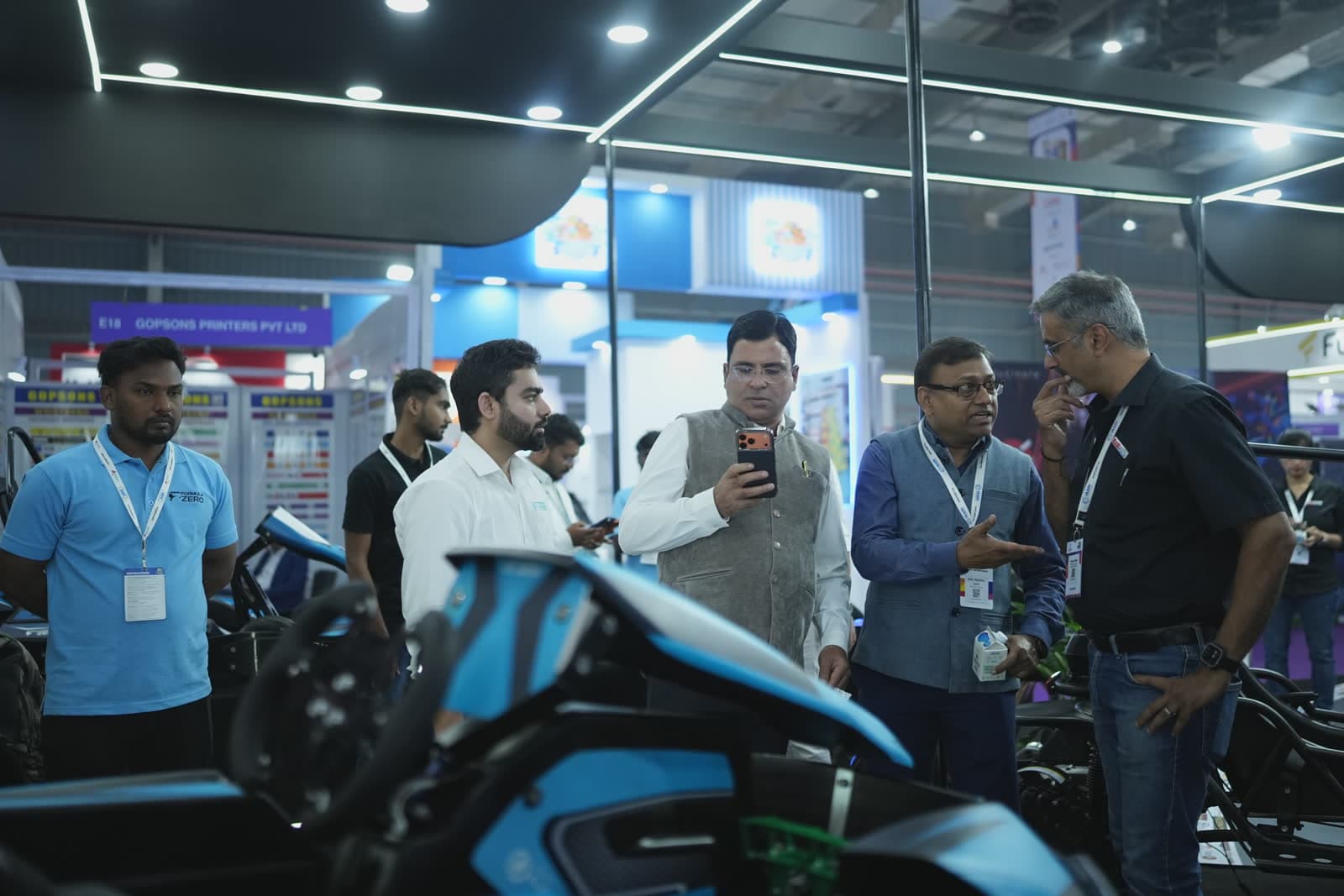
A track with 12 identical karts serves one audience. A track with 10 adult karts, 2 twin-seaters, and 2 junior karts serves four: thrill-seekers, casual racers, couples, and families. Same square foot
 Business
A 15-kart petrol track typically runs 6 to 8 staff per shift. The same fleet size in electric? 3 to 5. That difference compounds into lakhs saved per year on payroll alone. Here is exactly where the h
 Business
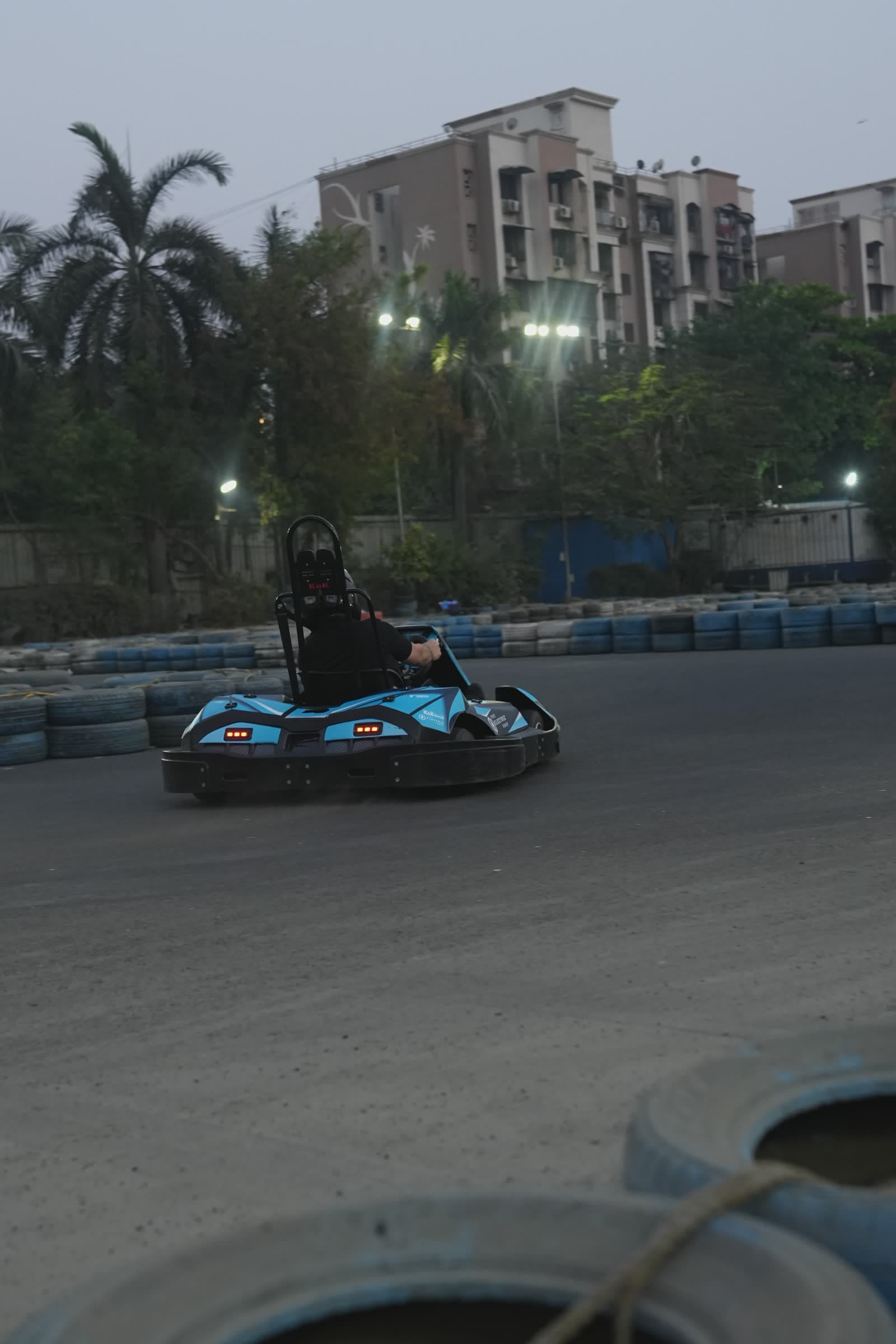
Your track makes 60% of its daily revenue in just 4 peak hours. Every minute a kart sits idle during those hours is money gone. Petrol karts average 4-5 sessions per hour. Between refuelling, cool-dow
BusinessThe Numbers That Close the Argument A 10-kart petrol fleet costs ₹30 lakhs per year in fuel, oil changes, spark plugs, and engine rebuilds. The same fleet running electric costs ₹7-8 lakhs in running
 Guide
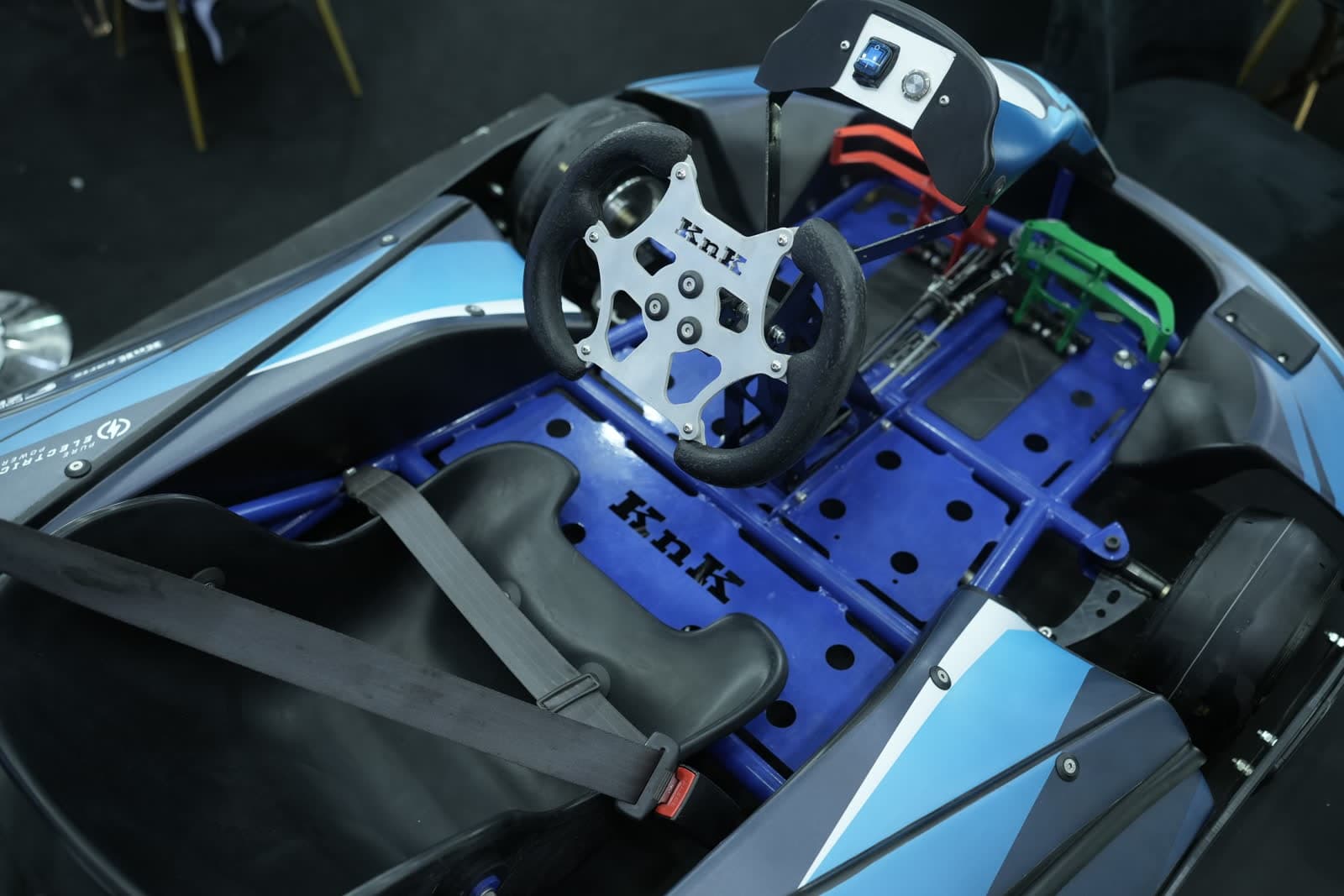
GuideThe kart you buy determines your margins for the next 5 years A 10-kart fleet is a ₹25-50 lakh investment. Get it wrong, and you're locked into high maintenance costs, poor uptime, and thin margins fo
 Guide
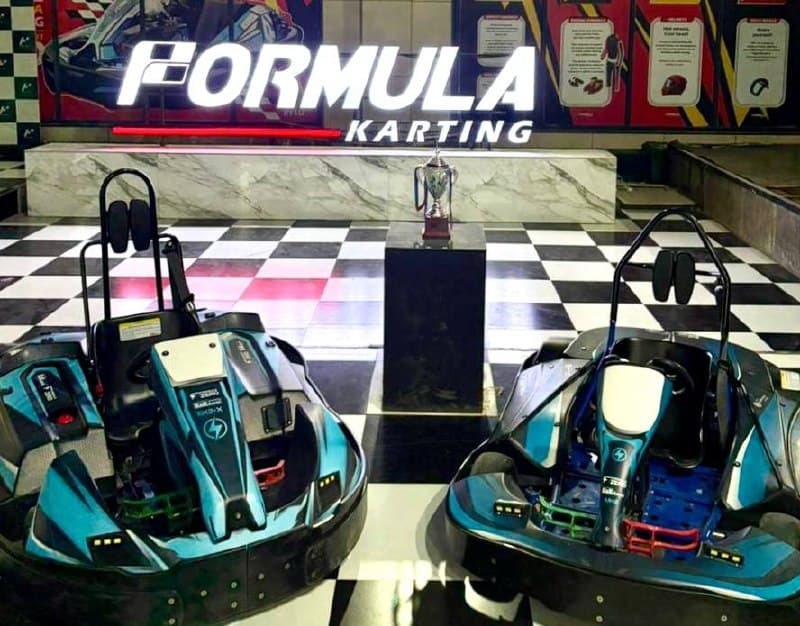
GuideElectric karts work in both indoor and outdoor setups. But they don't just work. They fundamentally change the economics of indoor tracks, which were previously unviable with petrol karts. Here's how
 Guide
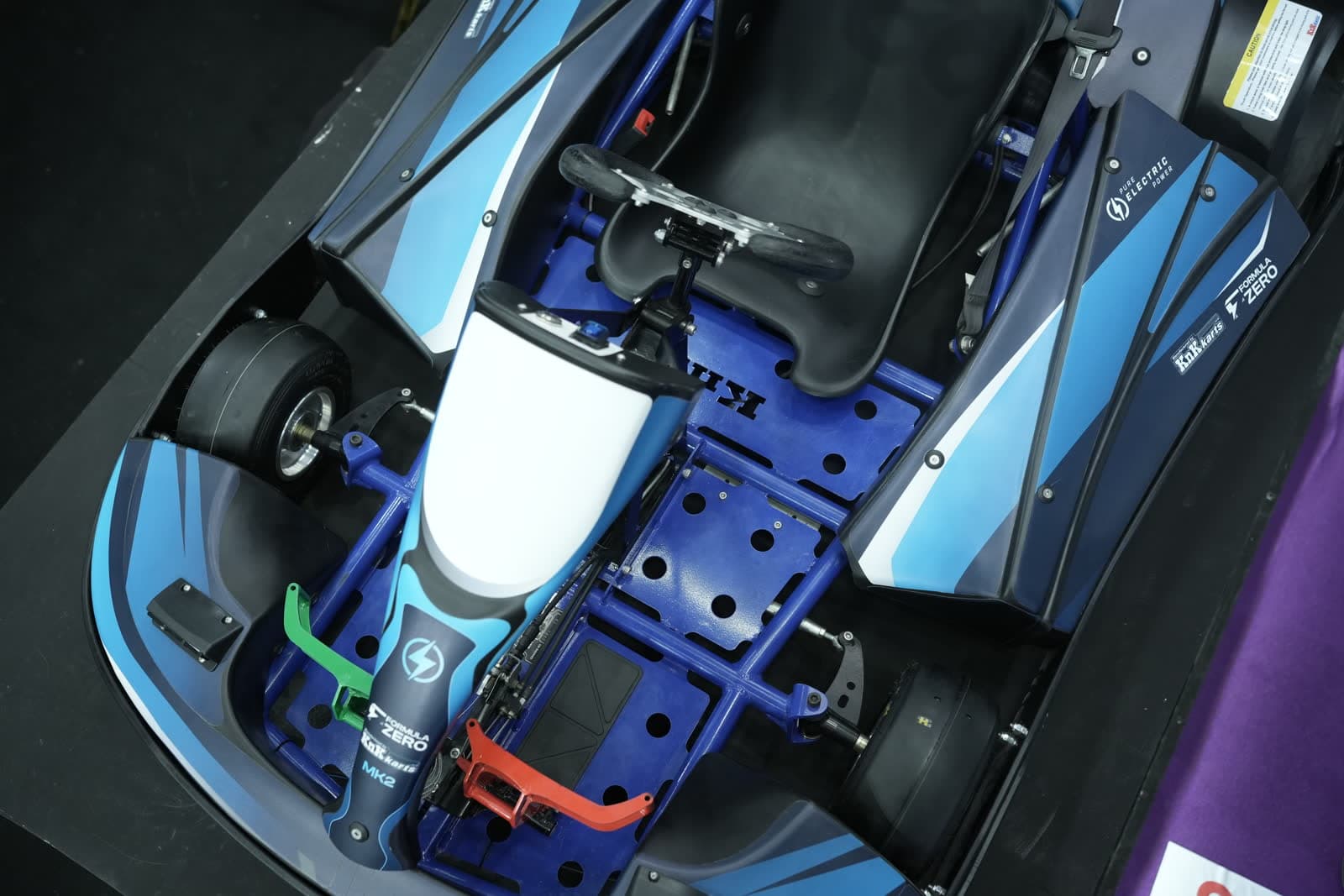
GuideMaintenance Is Not a Cost Centre. It's a Revenue Lever. Most track owners budget for maintenance as a fixed overhead. That's the first mistake. How you maintain your fleet directly determines your upt
GuideThe Market Is Wide Open India has fewer than 200 commercial karting tracks serving 1.4 billion people. Italy has 300+ for 60 million. The demand is real, the supply is thin, and the operators who move
 Product
One Crash Can Cost You More Than a Kart A single serious incident at a go-kart track doesn't just damage equipment. It triggers insurance claims, negative reviews, potential lawsuits, and weeks of los
 Business
The 8-Kart Trap Most Track Owners Fall Into Most new track owners in India start with 8 karts. It feels safe. Lower upfront cost, fewer things to manage. But the math tells a different story: an 8-kar
 Product
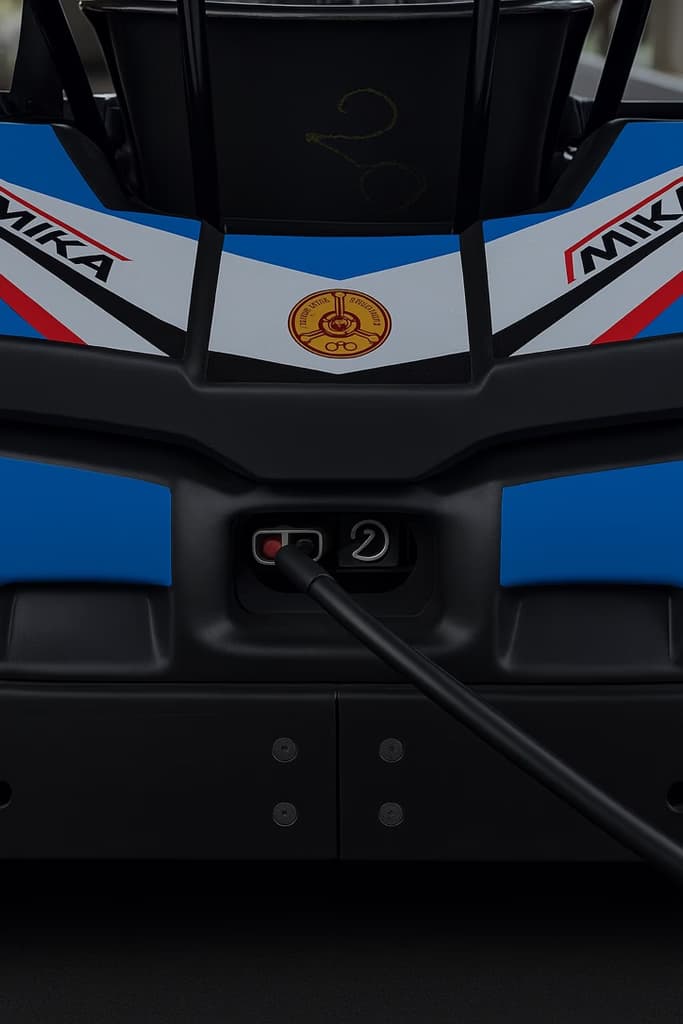
10 Minutes. Full Fleet. Zero Gaps in Your Schedule. The number one complaint from track operators running petrol fleets isn't fuel cost. It's downtime. Karts sitting idle between sessions, waiting on
ProductMore Sessions, More Revenue. Here's the Math. A typical petrol kart fleet loses 15 to 20 minutes every refuelling cycle. Multiply that across 10 karts over a full operating day, and you're burning 2 t
 Industry
Every track owner knows the sticker price of a kart. Few know what it actually costs to run one. We break down the numbers. Fuel, maintenance, mechanics, downtime. Then we compare it against electric.
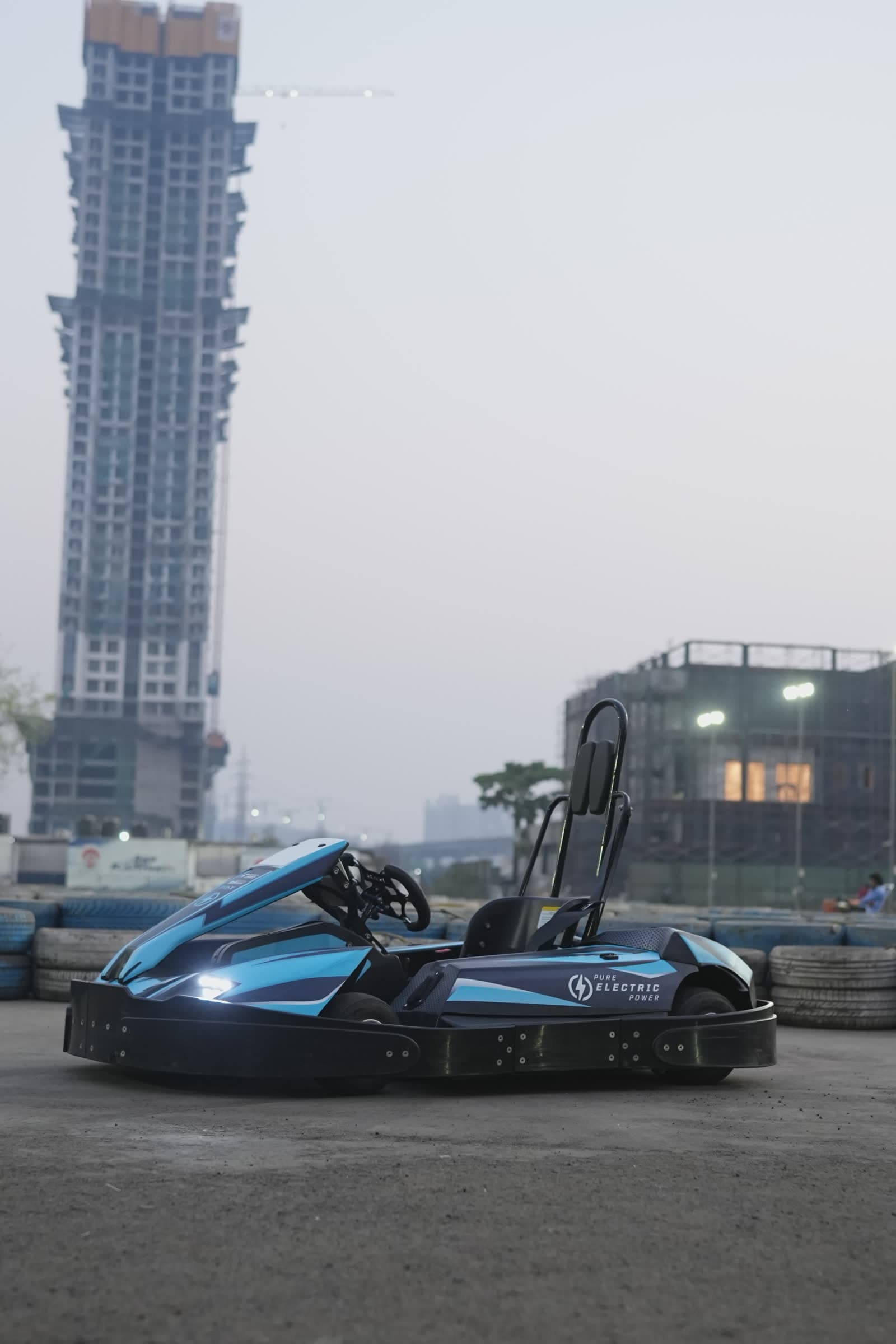 Business
Every operator I meet asks about the sticker price first. Fair, that's the cheque they sign on day one. But the cheque on day one is rarely what hurts the business by year two. Run a 10-kart petrol fl
See how Formula-Zero karts can transform your track's revenue and operations.