Peak Hour Revenue: How Electric Karts Maximize Earnings
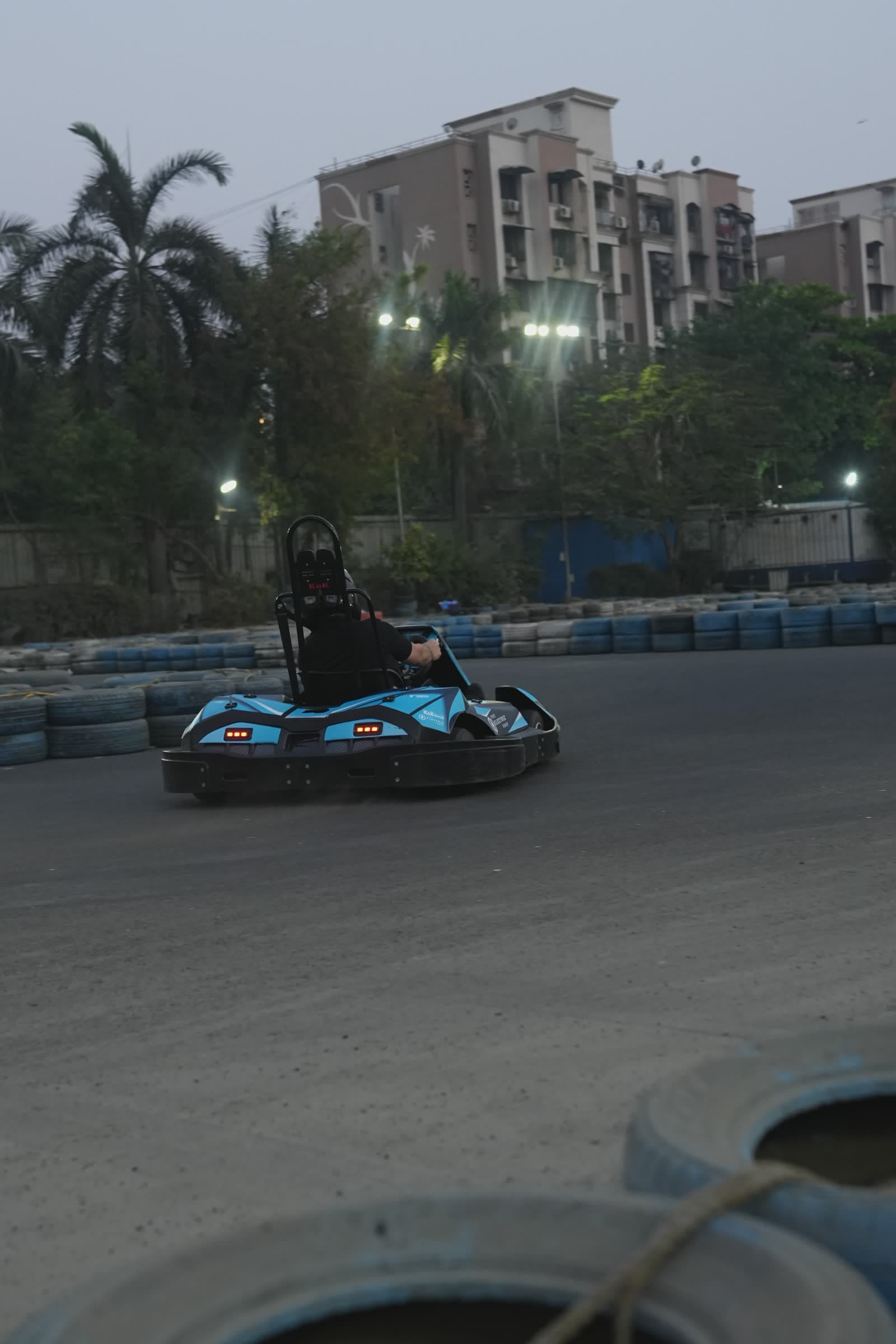
Your track makes 60% of its daily revenue in just 4 peak hours. Every minute a kart sits idle during those hours is money gone.
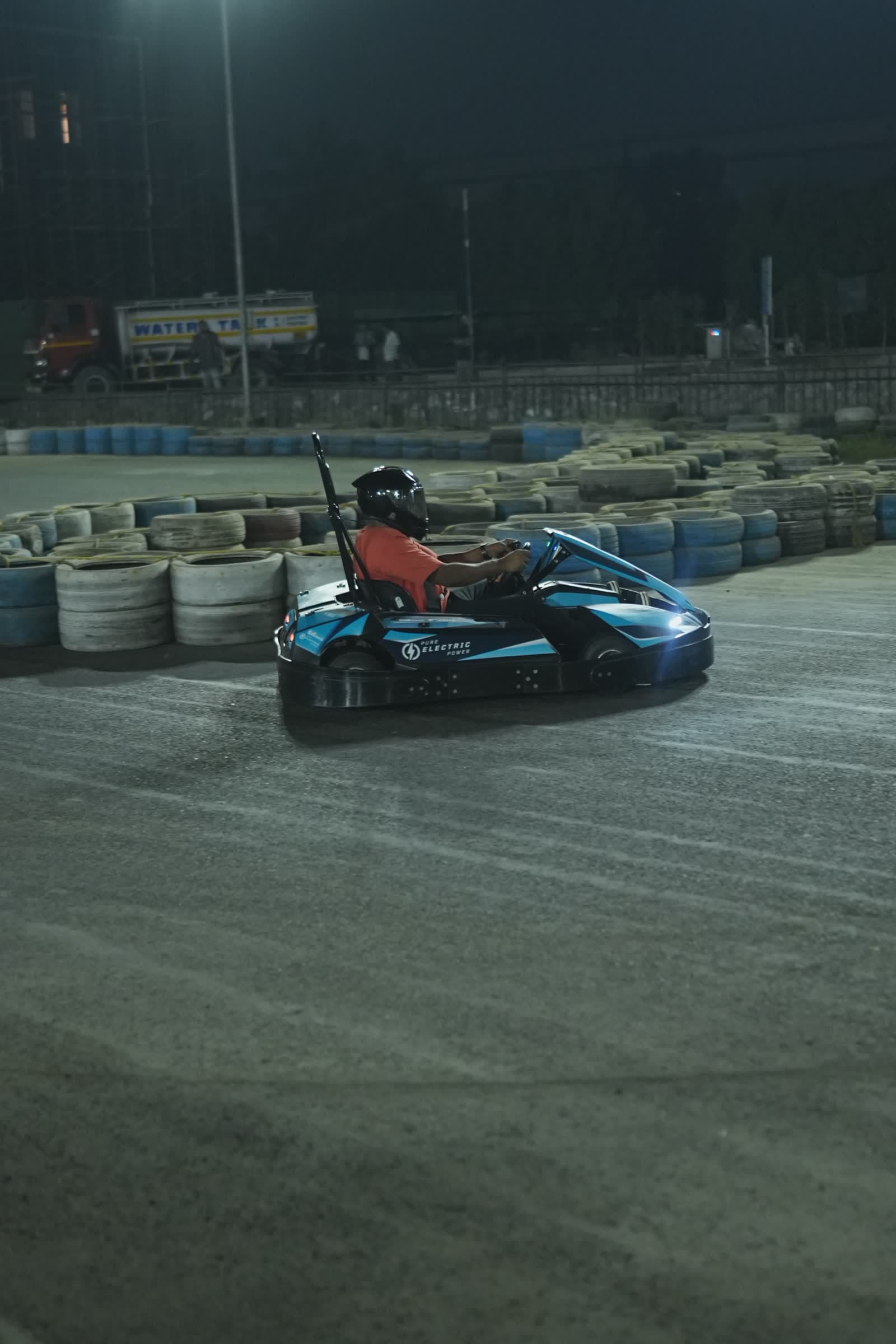
Petrol karts average 4-5 sessions per hour. Between refuelling, cool-down, and maintenance checks, you lose 10-15 minutes every cycle. Electric karts push 6-7 sessions per hour with zero fuel stops.
The Math
A 10-kart fleet running 4 peak hours:
| Petrol | Electric | |
|---|---|---|
| Sessions/hour/kart | 4-5 | 6-7 |
| Total peak sessions | 160-200 | 240-280 |
| At ₹500/session | ₹80K-1L | ₹1.2L-1.4L |
That is ₹40K-50K more revenue per day just from peak hours. Over a month, it adds up to ₹10-15 Lakh in additional earnings.
Why Electric Karts Are Faster to Turn Around
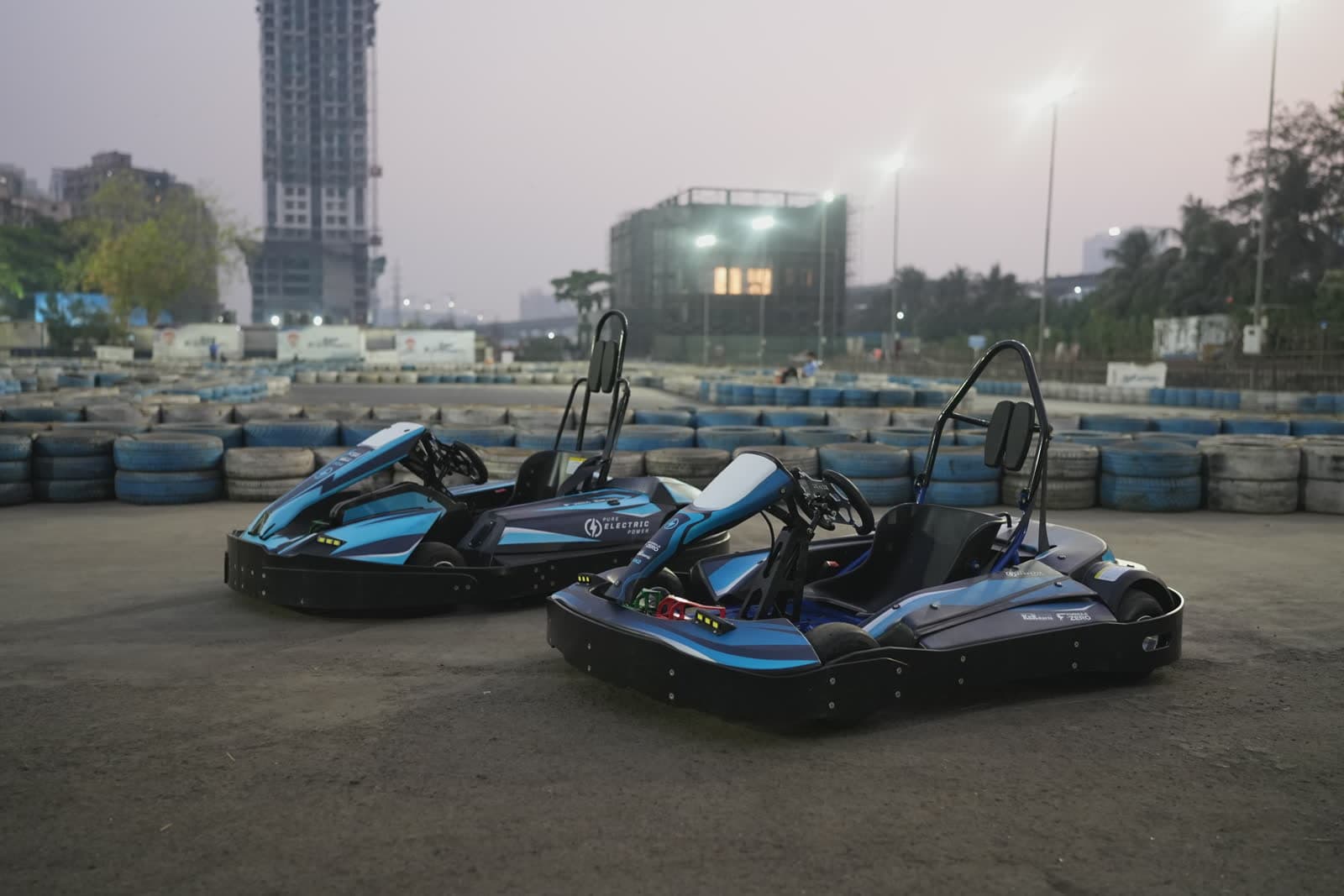
No refuelling. Petrol karts need fuel stops. Electric karts charge between sessions or swap batteries in 60 seconds (MK2 with QuickSwap).
No cool-down. Petrol engines run hot. Operators wait before the next rider. Electric motors stay cool.
No maintenance windows. Petrol karts need daily checks: oil, spark plugs, chains. Electric karts need almost nothing.
Remote speed control. Set beginner speed limits remotely. No physical adjustments between sessions.
FlashCharge Changes the Game
The EK2-X supports FlashCharge - a 10-minute pitlane top-up that gives enough runtime for the next session. Your fleet never leaves the track.
Combined with the MK2's 60-second QuickSwap batteries, you can run a mixed fleet at maximum throughput all day.
The Bottom Line
Peak hours are where your track makes or loses money. Electric karts let you squeeze 40-50% more sessions into those critical hours.