Why Electric Karts Run More Sessions Per Day Than Petrol
More Sessions, More Revenue. Here's the Math.
A typical petrol kart fleet loses 15 to 20 minutes every refuelling cycle. Multiply that across 10 karts over a full operating day, and you're burning 2 to 3 hours of billable track time. That's revenue you never recover.
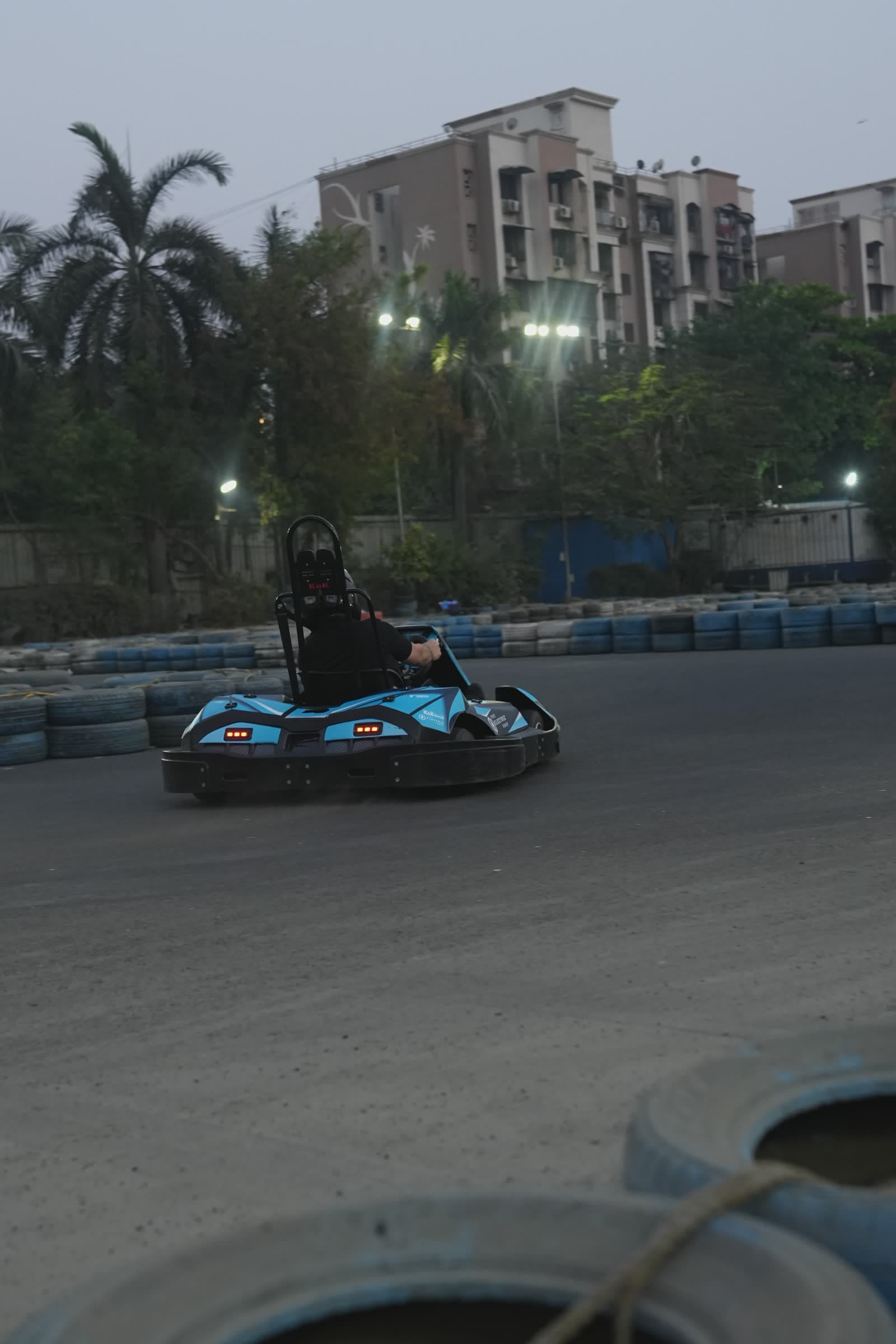
Electric karts eliminate this gap entirely. With no fuel stops, no engine cool-down periods, and instant restart between sessions, electric fleets consistently run 30 to 40% more sessions per day than their petrol equivalents.
Where Petrol Karts Lose Time
Petrol kart downtime adds up in ways most operators don't track closely enough:
Refuelling takes 10 to 15 minutes per batch. Engines need cool-down time between heavy sessions. Pull-start failures delay turnarounds. Oil checks and spark plug issues cause mid-day interruptions.
On a busy weekend, a 10-kart petrol fleet might manage 40 to 45 sessions across a 10-hour day. That's the ceiling.
How Electric Fleets Push Past That Ceiling
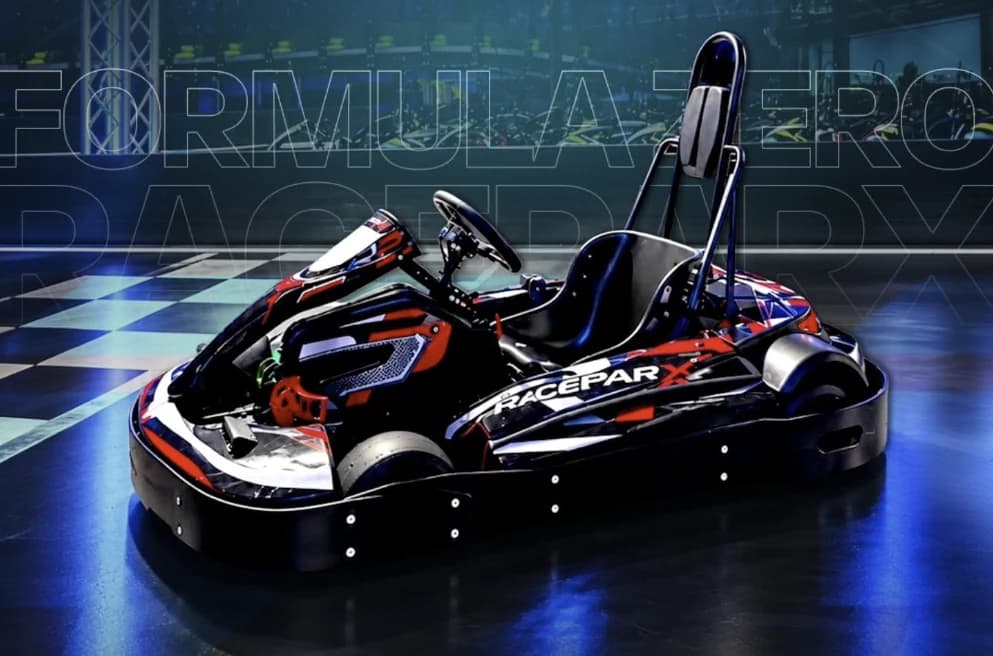
The EK2-X delivers 100 minutes of runtime on a single charge. With FlashCharge (10-minute top-ups between sessions), karts cycle back onto the track in the time it takes to seat the next group. No fuel runs, no engine babysitting.
The MK2 takes it further. Its QuickSwap battery system lets operators change packs in under 60 seconds. A dead kart becomes a ready kart before the next customer reaches the grid.
Result: the same 10-kart fleet runs 55 to 65 sessions per day. That's 12 to 20 extra sessions, each worth INR 300 to 500 per rider.
The Revenue Impact
At an average ticket of INR 400 and 6 riders per session, those extra 15 sessions translate to INR 36,000 in additional daily revenue. Over a month, that's over INR 10 lakhs in throughput gains alone.
This is before you factor in lower maintenance costs, zero fuel spend, and the operational simplicity of fleet-wide remote speed control and IoT diagnostics.
Throughput Is the Real Metric
Track owners often compare karts on sticker price. The better comparison is revenue per kart per day. Electric fleets win that metric decisively because they spend more time on the track and less time in the pit.
Run the numbers for your specific venue with our ROI calculator, or get in touch to discuss fleet sizing for your throughput targets.