FlashCharge Explained: How 10-Minute Top-Ups Keep Your Fleet Running All Day
10 Minutes. Full Fleet. Zero Gaps in Your Schedule.
The number one complaint from track operators running petrol fleets isn't fuel cost. It's downtime. Karts sitting idle between sessions, waiting on refuels, cool-downs, or maintenance. Every minute a kart isn't on track is revenue lost.
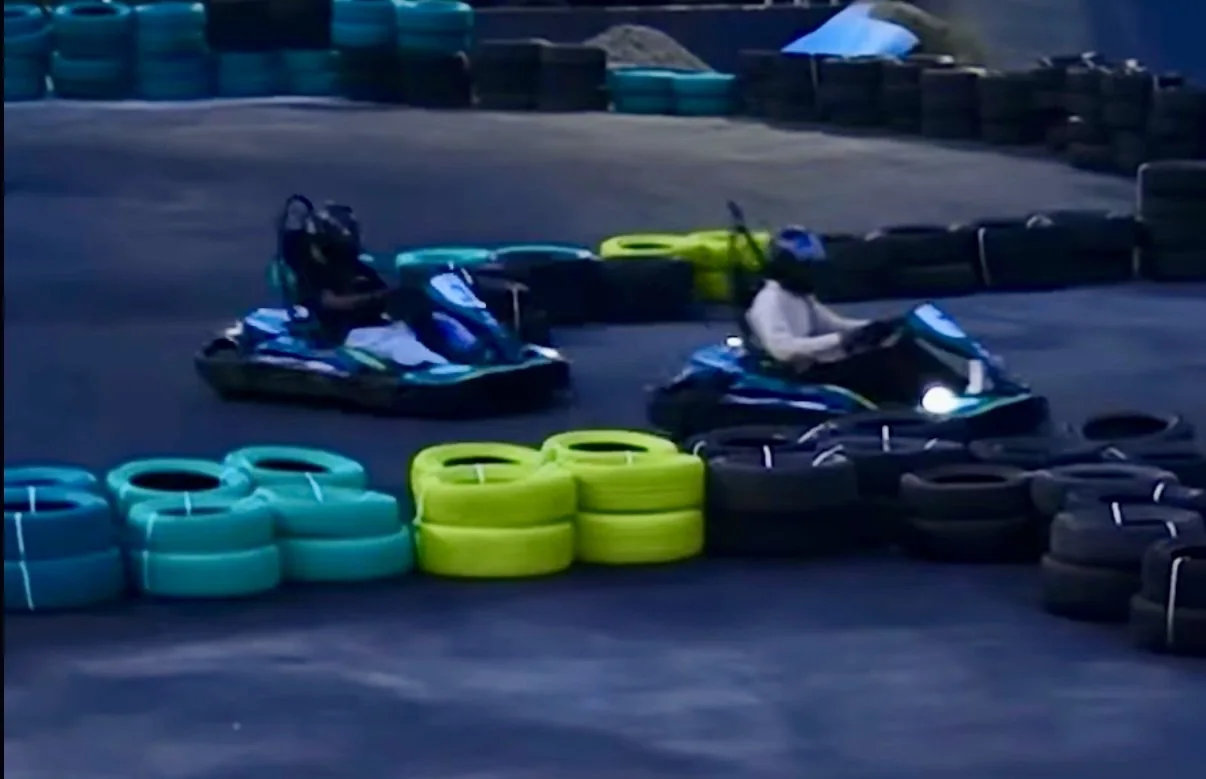
FlashCharge changes the math entirely. A 10-minute top-up between sessions keeps your karts cycling back onto the grid before the next group finishes suiting up.
How FlashCharge Works
Traditional EV charging follows a simple pattern: drain the battery, plug in for hours, wait. That model doesn't work for commercial karting where karts need to run 10+ hours a day.
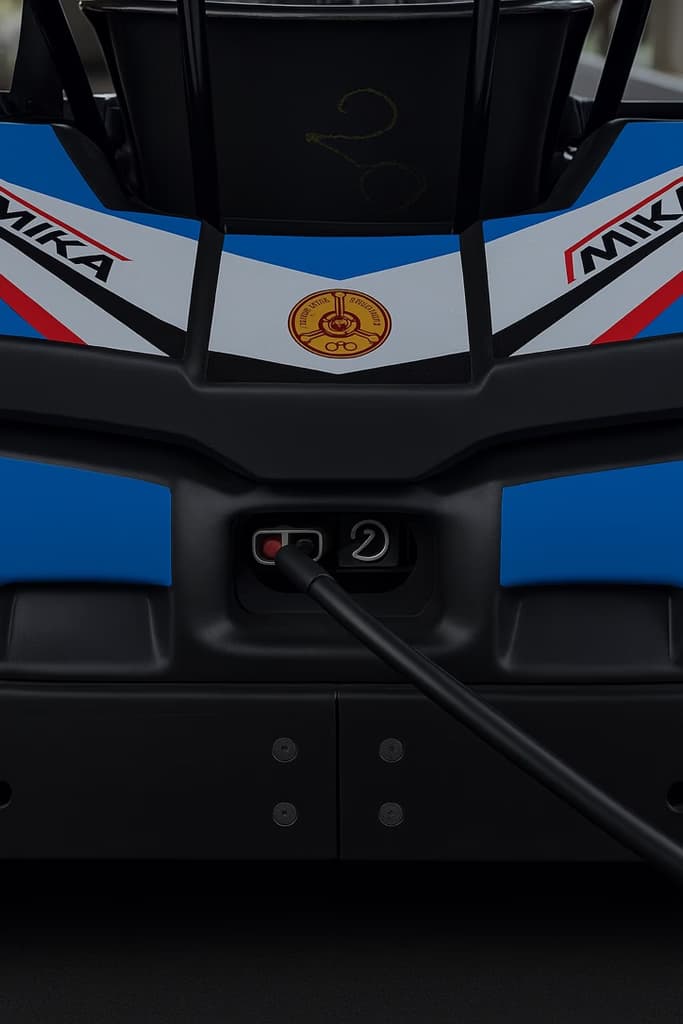
FlashCharge uses battery-safe algorithms that deliver rapid partial charges without degrading cell life. Instead of waiting for a full 0-to-100% charge, operators top up between sessions. A kart finishes a 10-minute race, gets plugged in during the 8 to 12 minute turnaround window, and rolls out with enough charge for the next session.
The result: your fleet runs continuously through peak hours with no scheduling gaps.
Built for Commercial Cycle Life
Fast charging typically accelerates battery degradation. FlashCharge is engineered differently. The charging algorithms monitor cell temperature, voltage curves, and state of charge in real time. The system adjusts current delivery to stay within safe thermal and voltage limits, preserving the battery's rated cycle life.
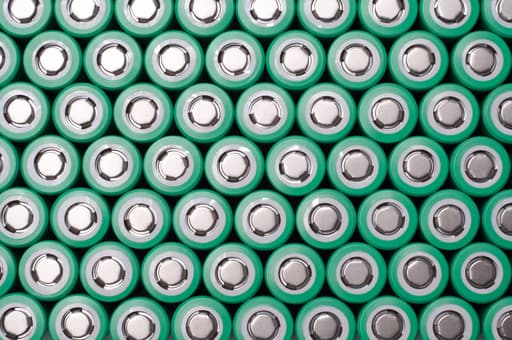
This is Korean EV-grade lithium-ion chemistry (260Wh/kg) with smart BMS protection for thermal, overcharge, short-circuit, and over-discharge scenarios. The same cell technology used in passenger EVs, packaged for the demands of commercial karting.
Why Flash Charging Beats Park & Charge Systems for Electric Kart Tracks
Park & Charge is the model most imported electric karting brands use: the kart returns to a charging bay after each session, sits connected to a dedicated charger, and waits for the battery to recover. It works on paper. In commercial operation, it leaks money.
Here is what the two approaches actually do across an 8-hour operating day for a 10-kart fleet:
| Park & Charge | FlashCharge (Formula-Zero) | |
|---|---|---|
| Idle time per kart between sessions | 15-30 min | 10 min (or 60 sec with QuickSwap) |
| Chargers required per kart | 1:1 dedicated | 1 shared per 2-3 karts |
| Karts available during peak hours | 50-70% of fleet | 95-100% of fleet |
| Infrastructure footprint | Full bay per kart | Compact pit row |
| Sessions per kart per day | 14-18 | 22-28 |
Every missing session is a session you cannot bill. Park & Charge assumes the track can absorb a 20-25% duty-cycle penalty. Most commercial tracks cannot. FlashCharge was designed from the ground up for continuous rotation: top up in the turnaround window, do not idle the kart.
For tracks that want literally zero downtime, the MK2 pairs a smaller battery with QuickSwap. Pull the pack, drop in a fresh one, back on track in under 60 seconds. Either way, the pit does not become a parking lot.
FlashCharge + QuickSwap: Two Paths to Zero Downtime
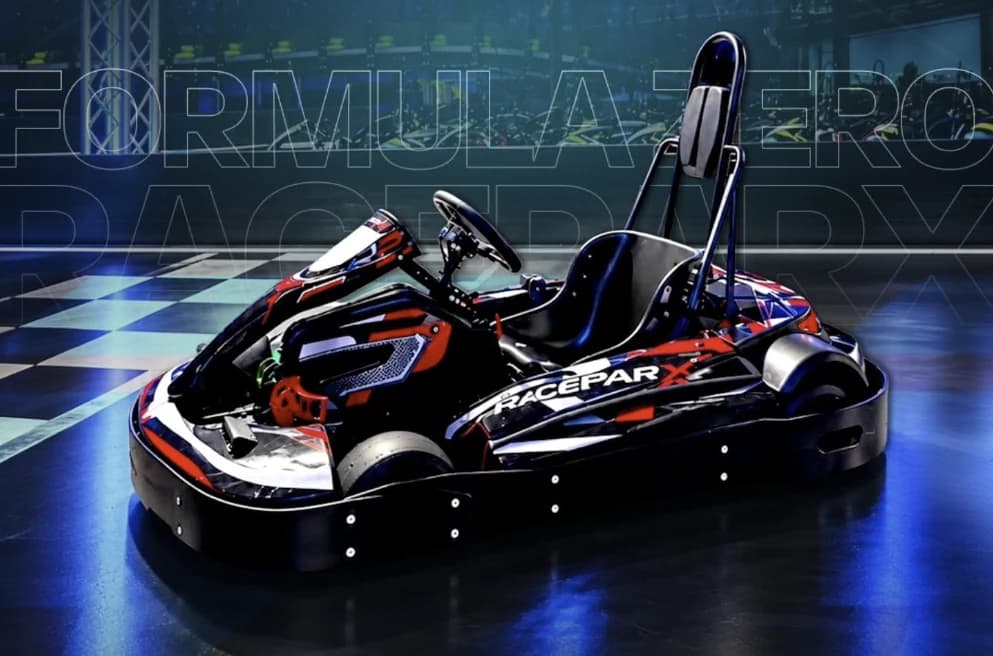
FlashCharge is standard on the EK2-X (100-minute runtime, 10kW peak). For operators who want even faster turnarounds, the MK2 pairs a smaller battery with QuickSwap technology. Under 60 seconds to swap a fresh pack. Dead kart to race-ready in the time it takes to buckle a seatbelt.
Both approaches solve the same problem: keeping every kart in your fleet earning revenue instead of sitting on a charger.
What This Means for Your Revenue
A 10-kart fleet using FlashCharge runs 30 to 40% more sessions per day than a petrol fleet of the same size. At ₹400 per rider and 6 riders per session, those extra sessions add up to over ₹10 lakhs per month in additional throughput.
No fuel logistics. No engine cool-downs. No mid-day maintenance interruptions. Just karts on track, earning.
See the full revenue breakdown for your venue size with our ROI calculator, or talk to us about fleet planning for your operating hours and throughput targets.