Take the Karts to the Operators
Most kart companies sell from catalogues. We loaded ours onto a truck.
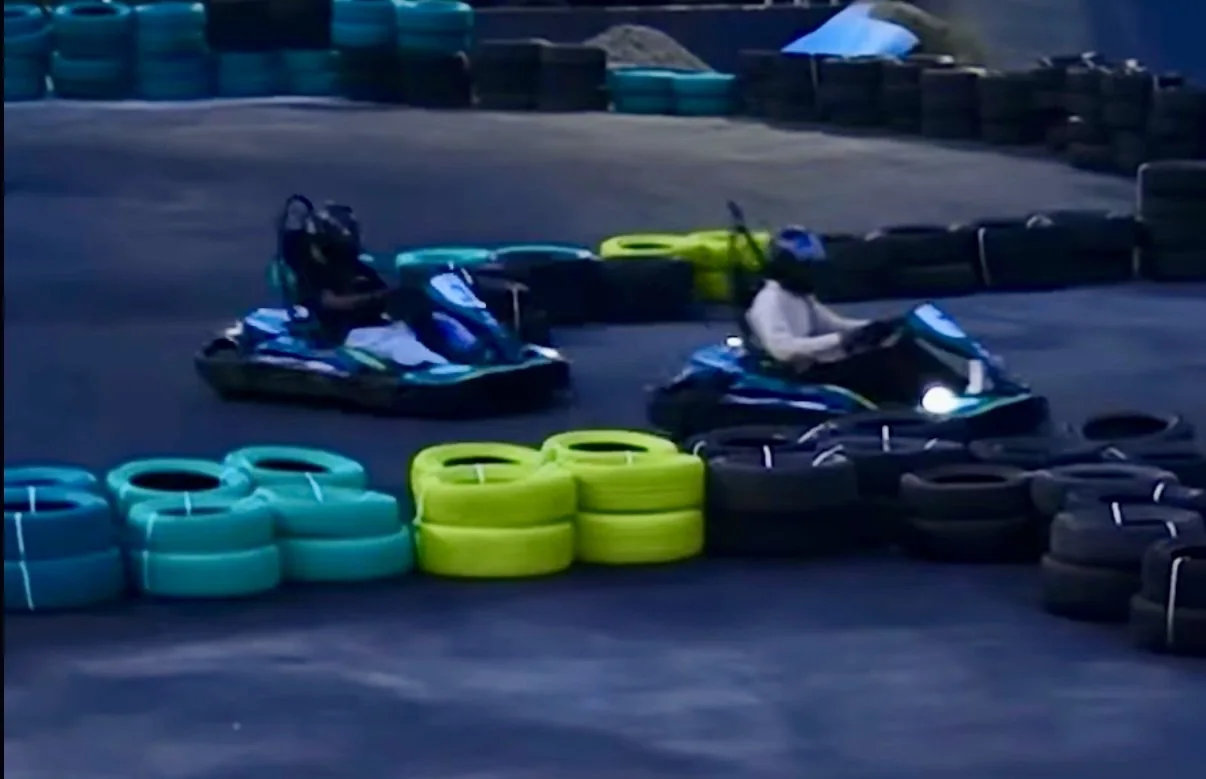
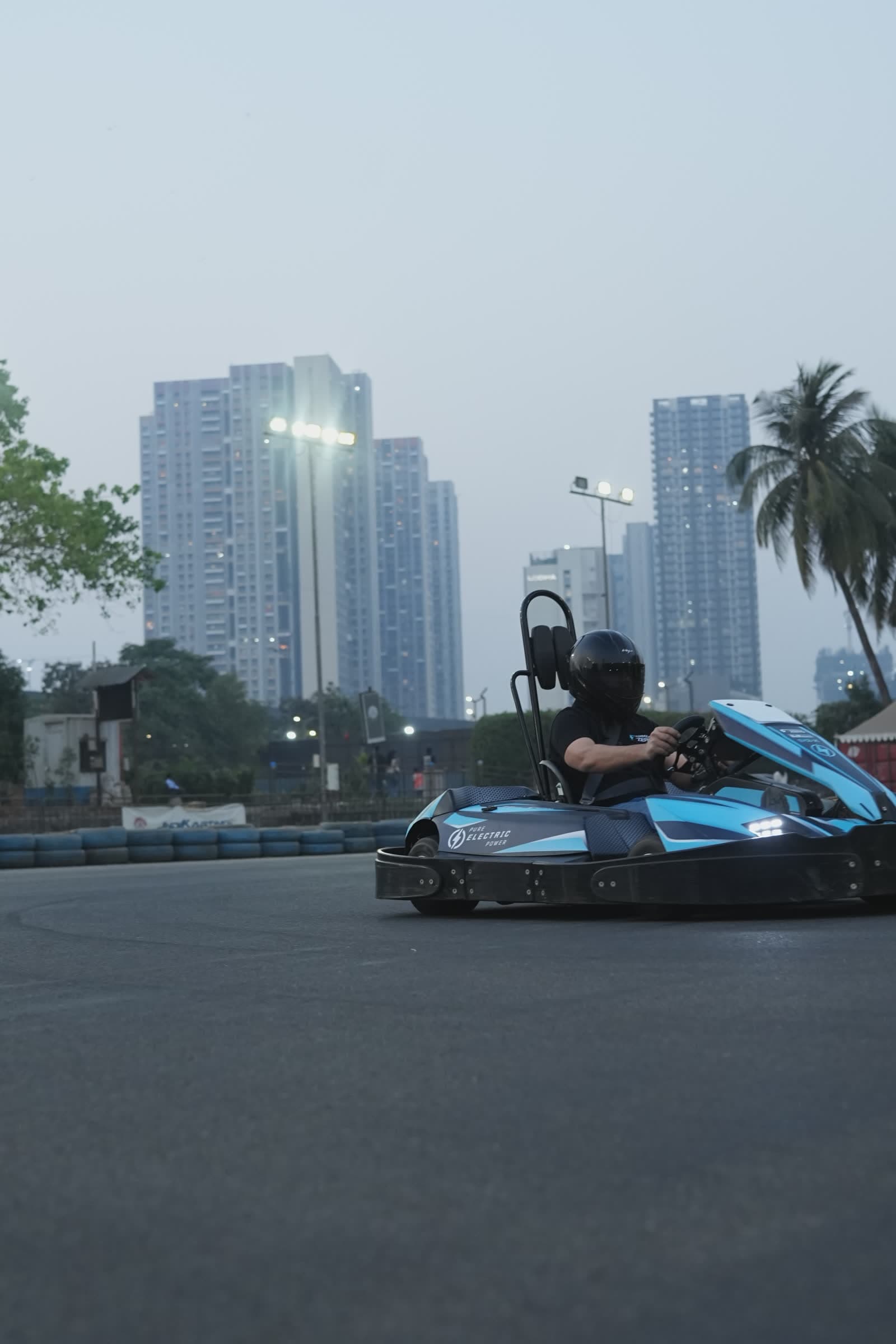
The GoZero Tour is a simple idea: bring Formula-Zero electric karts to established tracks and let operators drive them. No pitch meetings. No renderings. Just karts on tarmac, stopwatches running, and operators forming their own conclusions.
From March 12 to April 12, 2026, we covered four cities: Mumbai, Pune, Ahmedabad, and Hyderabad. This is Part 1: the Mumbai and Pune legs, covering three venues that represent very different slices of the Indian karting market.
Ajmera Indikarting, Mumbai
Mumbai's largest go-karting facility sits in Wadala, right next to the IMAX Dome Theatre. Ajmera Indikarting runs a 400-metre track, the widest and fastest in Mumbai, with a precision timing system and a loyal base of regular racers and corporate groups.
This was the kind of venue we built the EK2-X for. High footfall, experienced drivers who know what a kart should feel like, and an operator who sweats the details on throughput and turnaround time.
The instant torque got attention immediately. Drivers who'd done hundreds of laps on petrol karts at this same track noticed the difference in the first corner. Sharper acceleration out of apexes, no lag, no engine noise drowning out the racing line. The 80 km/h top speed on the EK2-X matched or exceeded anything the venue had run before.
For the operator, the numbers told the story. No refuelling gaps between sessions. No engine cool-down. Karts cycling back to the grid in the time it took to brief the next group. On a track that already runs at high utilisation, even a 20% improvement in turnaround translates directly to the bottom line.
Key takeaway: At a premium, high-traffic venue, electric karts don't just match petrol. They unlock sessions that petrol physically can't run.
Raftaar Theme Park, Pune
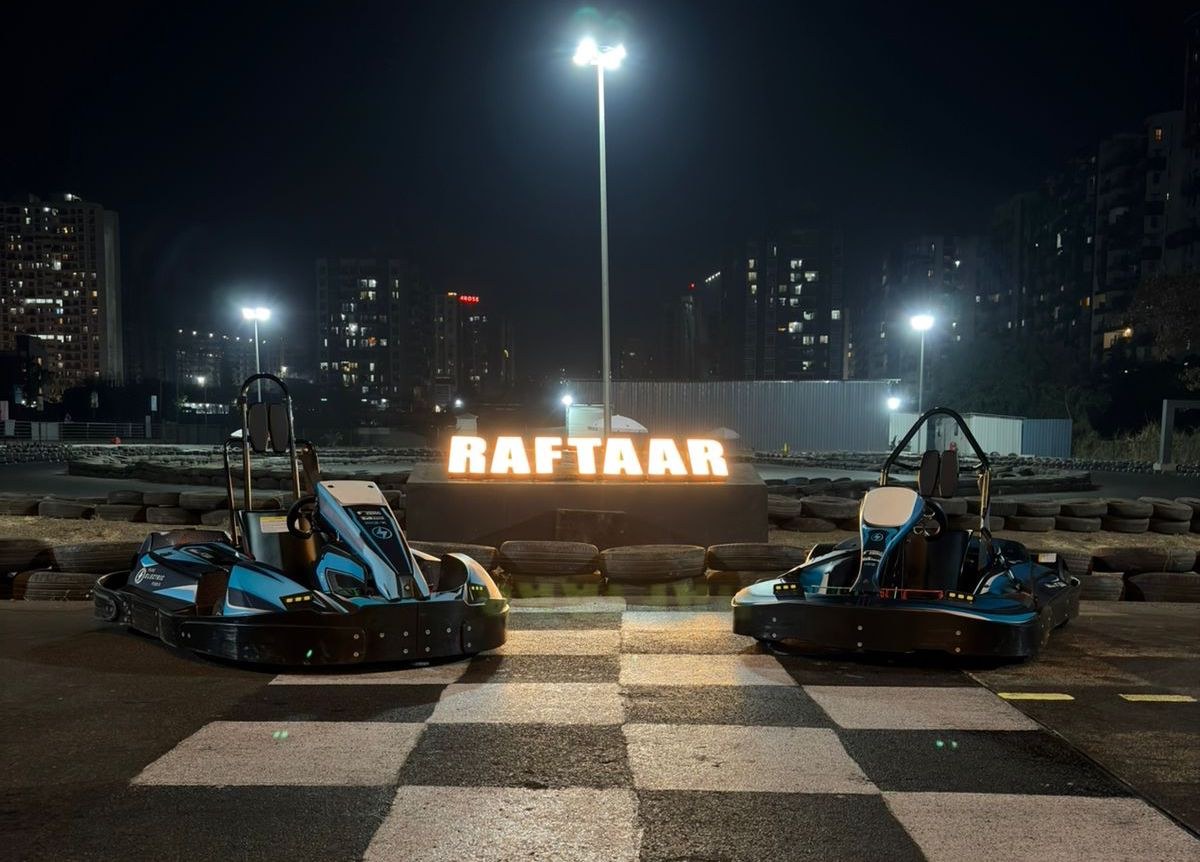
Raftaar is a different model entirely. Located in Tathawade on Pune's northwest edge, it's a full entertainment complex with go-karting, shooting range, arcade games, F1 simulators, PS5 stations, and a café. The track is the anchor, but the business runs on dwell time and cross-selling across attractions.
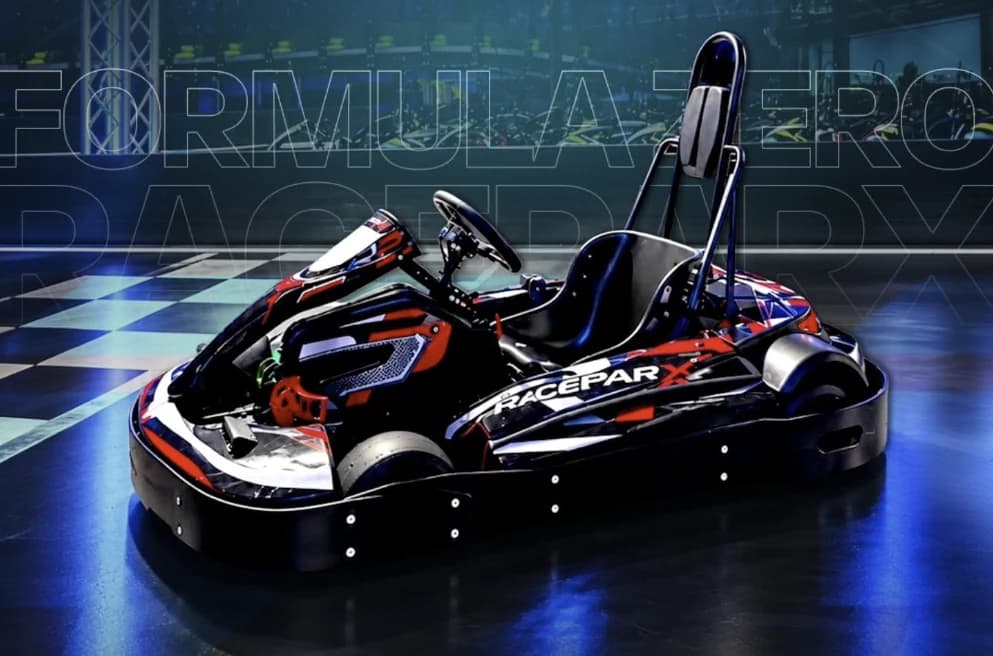
This is exactly where the MK2 shines. An entertainment venue doesn't need 80 km/h. It needs karts that are always ready, easy to manage, and create zero operational friction. The MK2's QuickSwap battery system (sub-60-second pack changes) means the fleet never goes offline. No charging downtime. No explaining to a family of four why they need to wait 40 minutes.
The noise factor mattered here more than we expected. Raftaar's café sits close to the track. With petrol karts, you're shouting over engines. With electric, the café stays usable, the arcade stays pleasant, and the overall venue experience improves. Multiple revenue streams stop competing with each other.
Key takeaway: For entertainment venues, electric isn't just about the kart. It's about what the rest of the business can do when the track stops being the loudest thing on-site.
Formula Karting, Pune
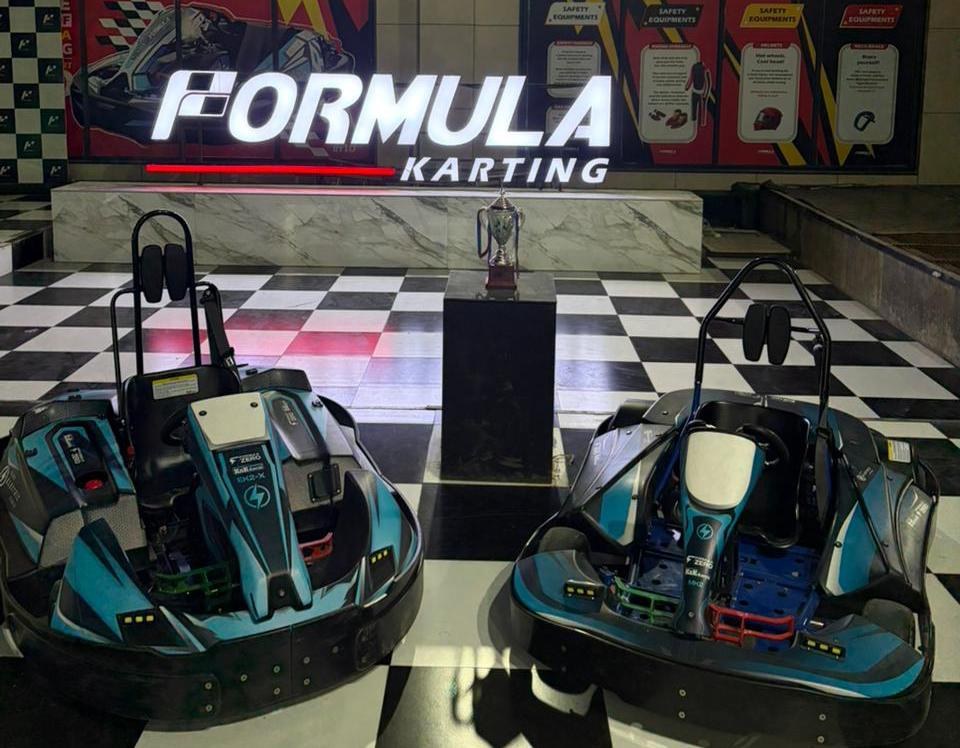
Formula Karting operates out of The Mills in central Pune, with a second facility in Noida. They position themselves as India's pro-grade karting experience: serious track design, quality karts, safety-first operations. Their audience skews toward enthusiasts and repeat racers, not one-time visitors.
This was the toughest crowd on the tour, and exactly the demo we wanted. Experienced drivers, an operator who benchmarks kart performance seriously, and a track designed to expose handling differences.
We ran the EK2-X here back-to-back against their existing fleet. The feedback was consistent: the acceleration profile felt more controllable, the electronic brake assist gave drivers more confidence into tight corners, and the high-resolution colour display showing live lap data added a layer of engagement that their current karts didn't offer.
From the operator's side, the conversation quickly moved to fleet economics. Zero fuel costs. Dramatically lower maintenance (no engines, no clutches, no pull-starts). Remote speed control to run different driver skill levels on the same track without swapping karts. These aren't nice-to-haves for a multi-location operator. They're the difference between scaling profitably and scaling painfully.
Key takeaway: Pro-grade operators don't need convincing that electric is the future. They need to see that the performance is already there. It is.
What We Learned
Three venues, three business models, one consistent signal: the operators who drove our karts didn't ask "why electric?" They asked "when can we order?"
The performance gap that existed even two years ago between electric and petrol commercial karts has closed. What remains is an operational gap, and it favours electric decisively. Faster turnarounds, lower running costs, quieter venues, remote fleet management, and karts that spend more time on the track than in the pit.
Next: Ahmedabad and Hyderabad
Part 2 of the GoZero Tour heads west to Ahmedabad and south to Hyderabad. Different markets, different venue profiles, and more operators putting our karts through their paces. That post drops soon.
If you run a track and want to see what a Formula-Zero fleet looks like on your circuit, book a demo. We'll bring the karts to you. That's the whole point.