How Fleet Size Affects Your Go-Kart Track ROI
The 8-Kart Trap Most Track Owners Fall Into
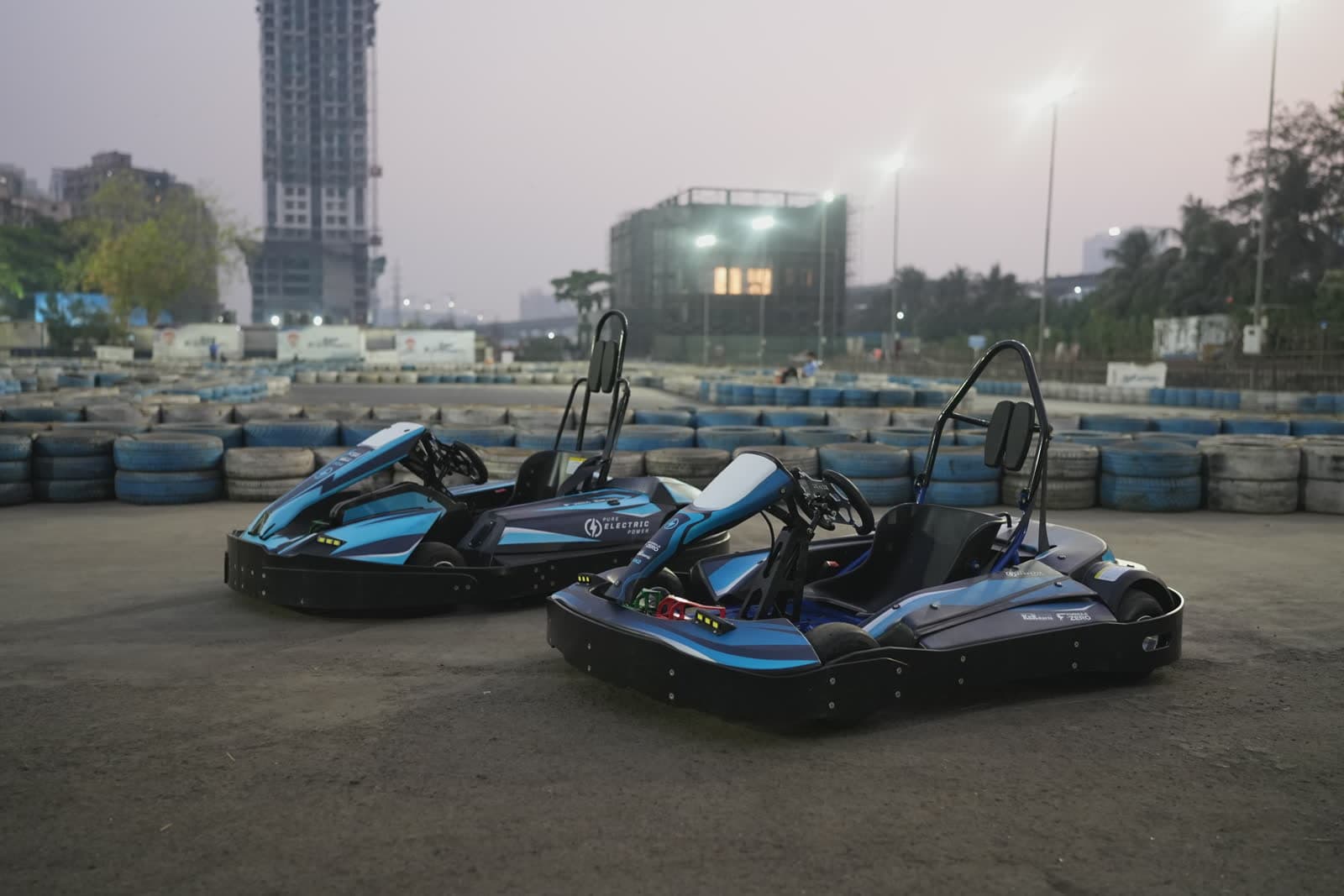
Most new track owners in India start with 8 karts. It feels safe. Lower upfront cost, fewer things to manage. But the math tells a different story: an 8-kart fleet leaves 30-40% of your revenue potential on the table.
Here's why fleet size is the single biggest lever on your unit economics.
Throughput Is a Function of Fleet Size
A typical 10-minute session with a 5-minute turnaround means each kart runs 4 sessions per hour. With 8 karts, that's 32 paid sessions per hour. With 15 karts, it's 60. Weekend demand at most Indian tracks peaks at 50-80 riders per hour. An 8-kart fleet physically cannot serve that demand. You're turning customers away.
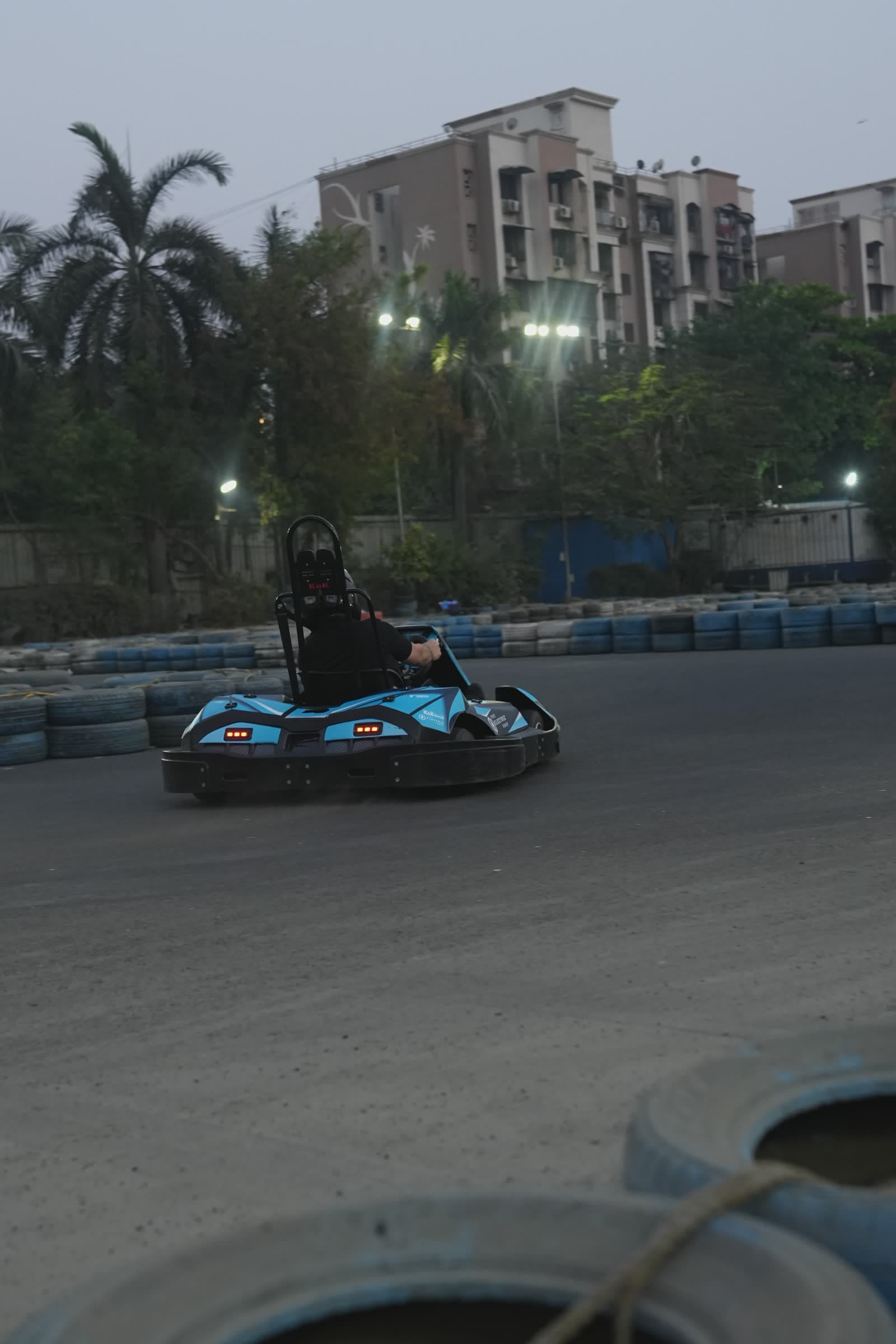
With electric karts and FlashCharge technology, FlashCharge top-ups in 10 minutes between sessions keep karts in service through peak demand. Your effective throughput per kart jumps to 5 sessions per hour. A 15-kart fleet now handles 75 sessions per hour with zero downtime between charges.
The Revenue Curve Isn't Linear
Going from 8 to 15 karts doesn't just add 87% more capacity. It unlocks group bookings (corporate events need 12+ karts), reduces wait times (which drives walk-in conversion), and lets you run simultaneous race formats. Track operators running 15+ kart fleets report 2.2x the monthly revenue of 8-kart operations, not 1.87x.
The operating cost increase is marginal. Electricity cost per kart per day runs under INR 150 with electric. Staff requirements stay flat up to about 20 karts. Your facility lease doesn't change. So the incremental revenue from karts 9 through 15 drops almost entirely to your bottom line.
Payback Period Actually Shrinks
Counter-intuitive but true. A 15-kart fleet at INR 3.5L per kart costs INR 52.5L. An 8-kart fleet costs INR 28L. The larger fleet pays for itself in under 3 months because it captures the full weekend demand curve. The smaller fleet takes 4-5 months because it's capacity-constrained during peak hours, exactly when you'd earn the most.
Run the numbers for your specific market using our ROI calculator. Input your city, expected footfall, and ticket price. You'll see the fleet size where your payback period bottoms out.
Right-Sizing Your Fleet
The formula is straightforward. Take your peak hourly demand, divide by sessions per kart per hour (5 for electric, 3.5 for petrol), and add 20% buffer for maintenance rotation. For most Indian metros, that puts the sweet spot at 12-18 karts. Tier-2 cities with entertainment venue formats do well at 10-14.
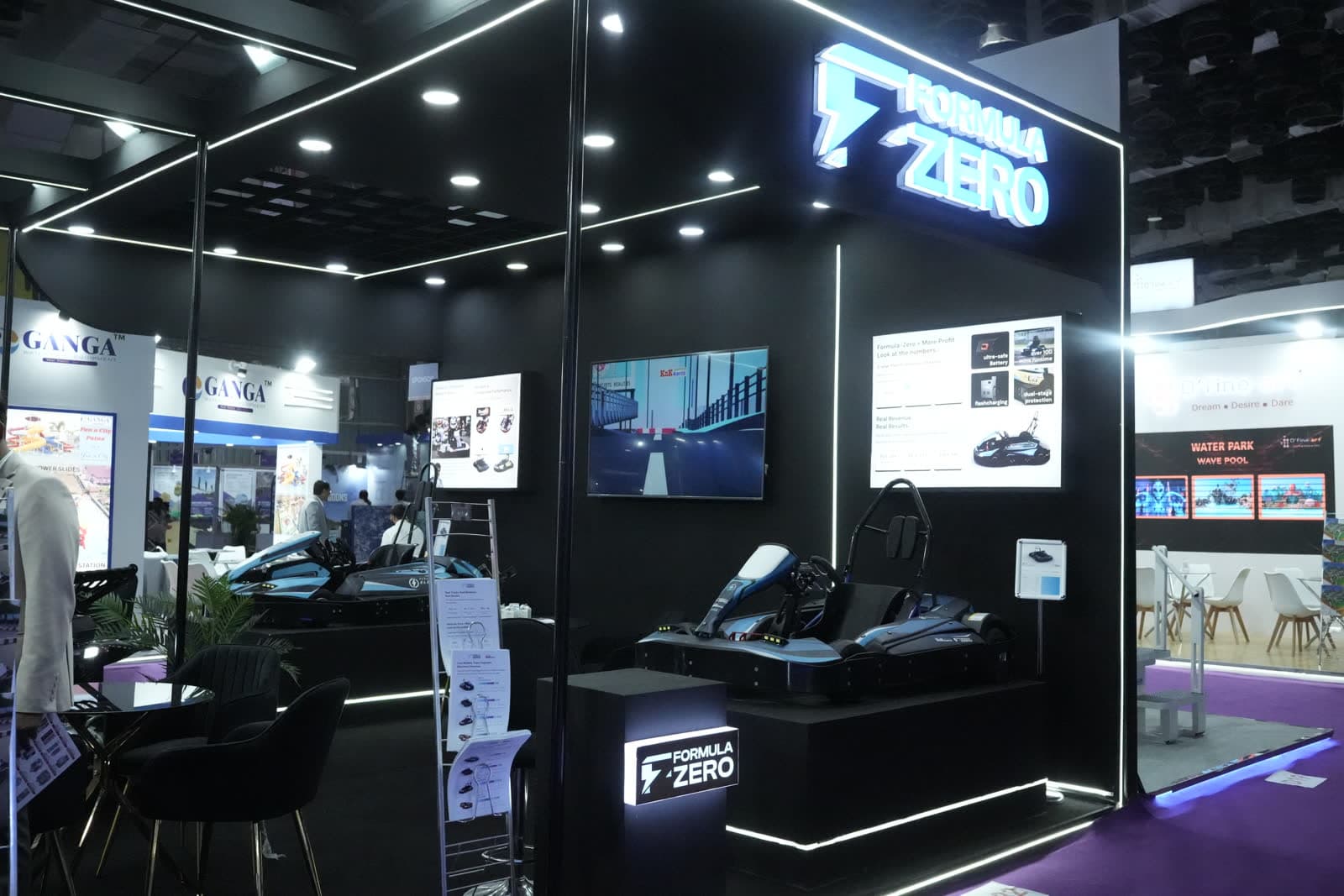
Formula-Zero's fleet packages are built around these breakpoints. Whether you're launching a new track or expanding an existing one, we'll model the right fleet size for your location and format.
Talk to our team to get a fleet recommendation backed by real operator data.