Indoor vs Outdoor Tracks: What Works Better for Electric Karts
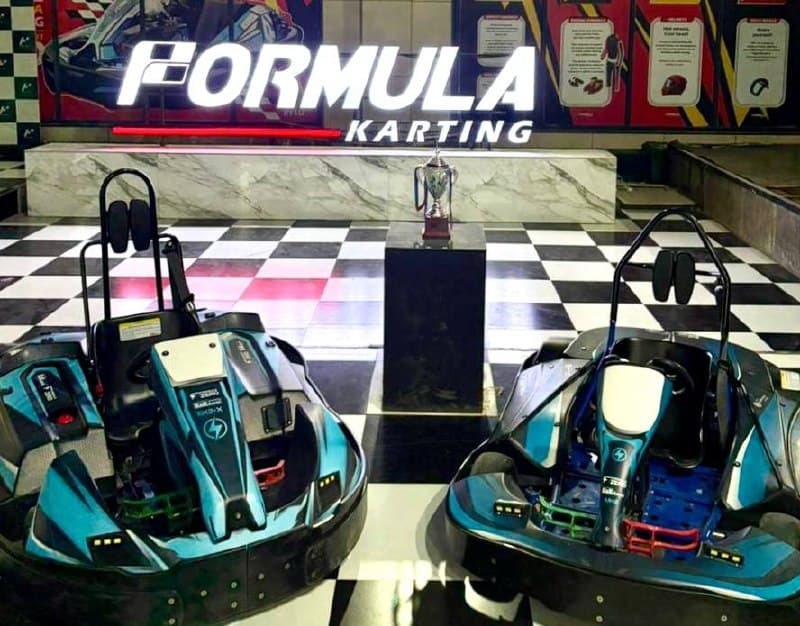
Electric karts work in both indoor and outdoor setups. But they don't just work. They fundamentally change the economics of indoor tracks, which were previously unviable with petrol karts. Here's how venue type affects your fleet decisions, throughput, and revenue potential.
Indoor: Where Electric Unlocks a New Market
Petrol karts can't run indoors. Exhaust fumes, noise levels above 90dB, and fire safety codes make it impossible. That's why most Indian indoor entertainment venues never considered karting as a revenue stream.
Electric karts eliminate all three barriers. Zero emissions, noise under 70dB, and no combustible fuel on-site. Indoor malls, entertainment complexes, and FEC operators can now add karting to their lineup without structural modifications or ventilation overhauls.
The business case is compelling. Indoor venues typically charge 20-30% higher per session than outdoor tracks because of the premium, weather-proof experience. A 6-8 kart fleet in a mall anchor space can generate ₹15-25L monthly revenue with 60-70% margins after the first quarter.
Outdoor: Higher Throughput, Lower Build Cost
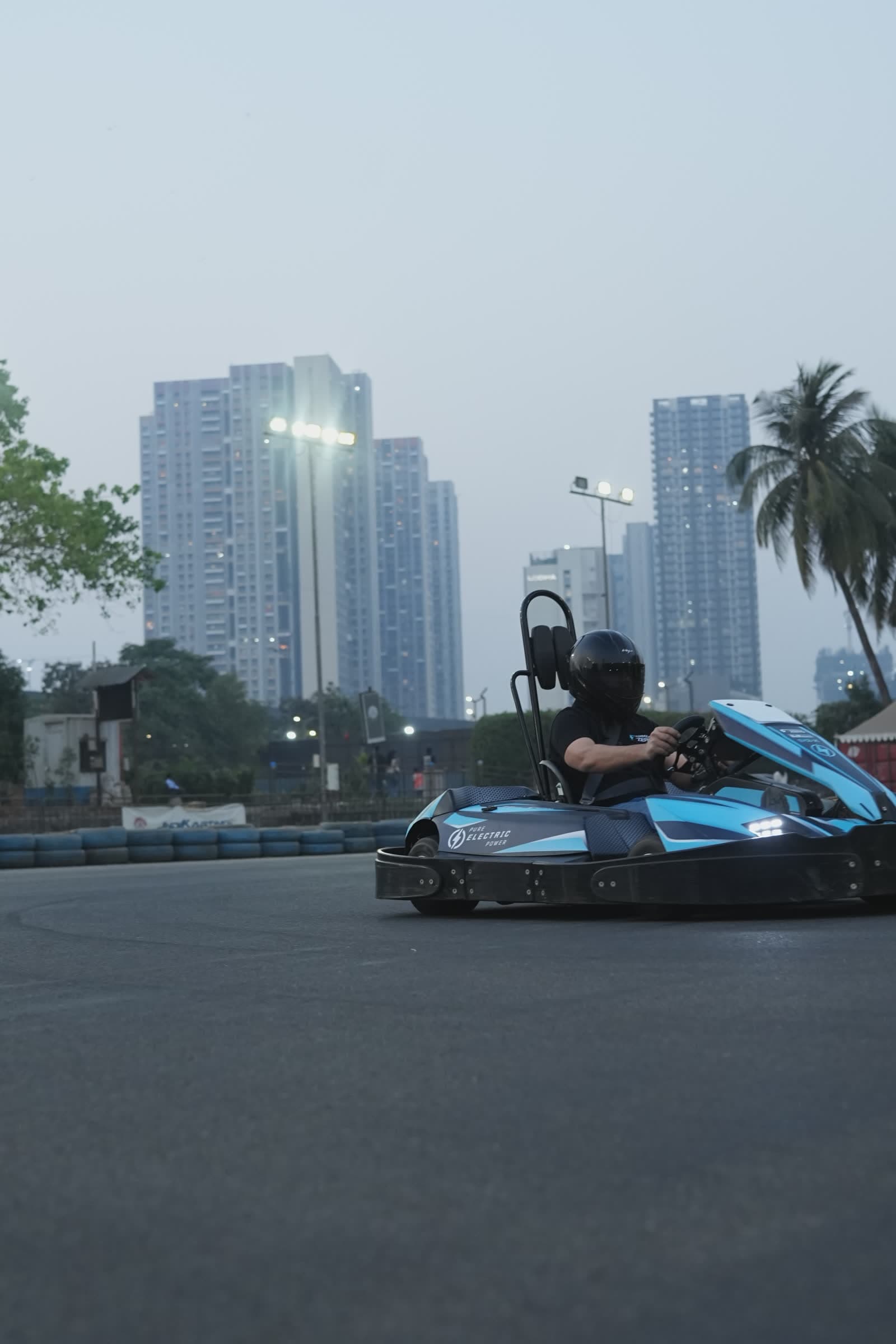
Outdoor tracks have more space, longer layouts, and lower construction costs per square foot. No need for climate control, specialized flooring, or enclosed structures. A well-designed outdoor track with 10-12 karts can push 40+ sessions daily during peak season.
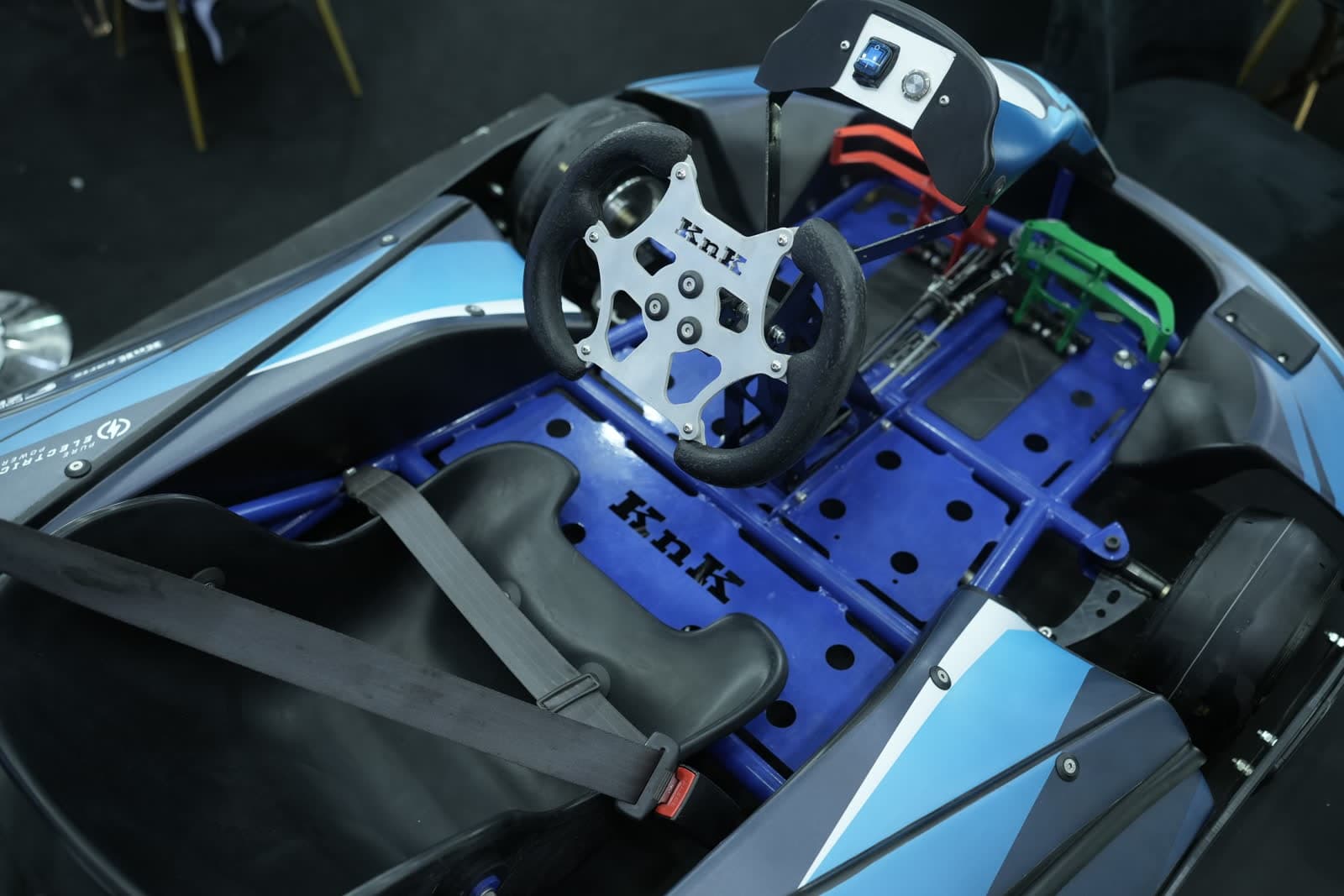
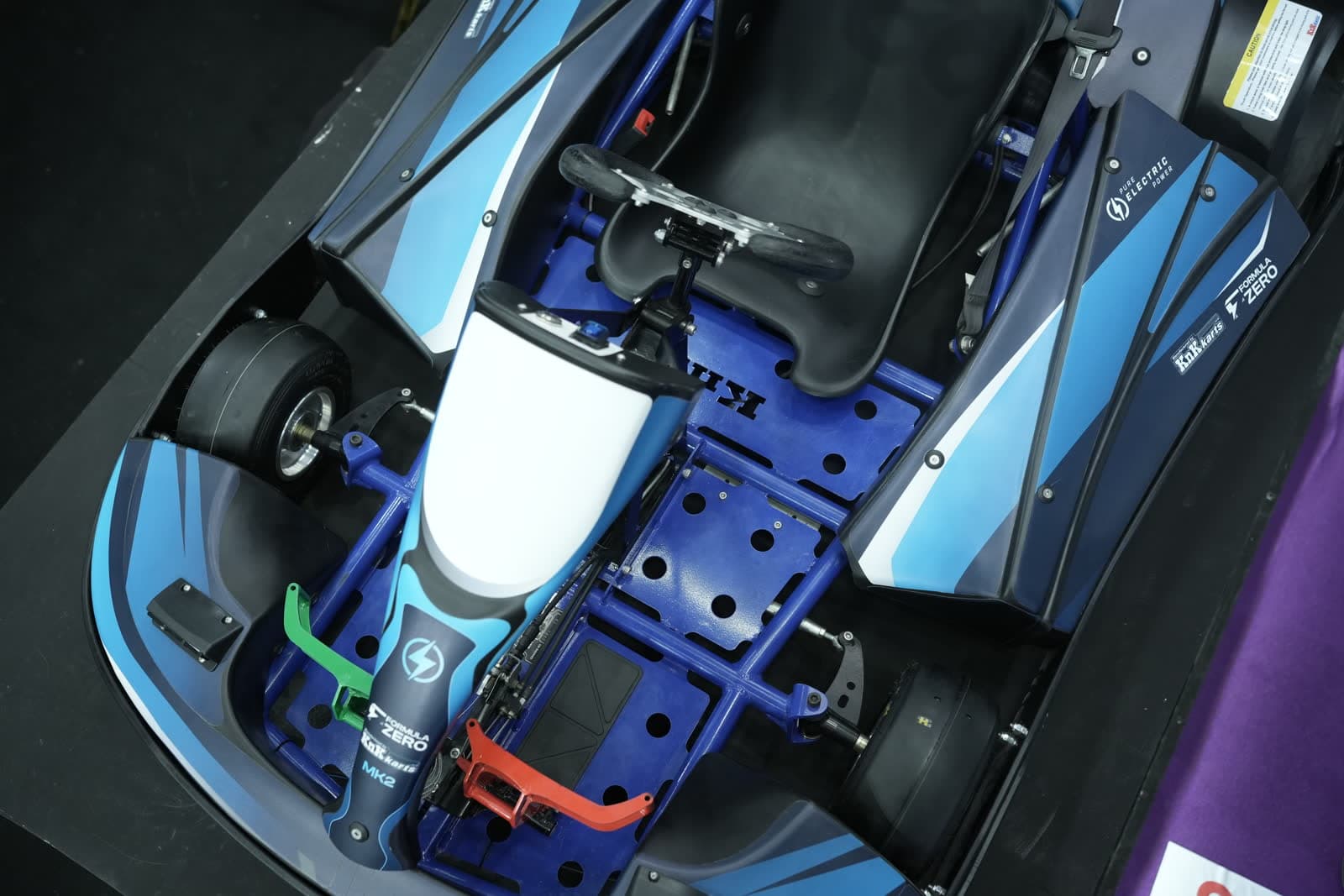
Electric karts amplify outdoor operations through FlashCharge technology. No fuel stops, no cooldown periods. FlashCharge tops karts up in 10 minutes between sessions, and on the MK2 the QuickSwap battery system gets a kart back on track in under 60 seconds. That translates to 30-40% more sessions per day compared to petrol fleets running the same track.
Weather is the main variable. Outdoor tracks in cities with 4-5 months of heavy rain see 25-30% seasonal dip. Smart operators offset this with covered sections or shift to event-based bookings during monsoon.
The Deciding Factors
Choose indoor if you have access to mall or FEC anchor space, want year-round consistency, and can work with a compact track layout (200-400m). Your per-session pricing will be higher, and you'll face less seasonal variance.
Choose outdoor if you have land availability, want maximum fleet size and throughput, and are in a market with 8+ dry months. Your build cost per kart slot will be lower, and you can scale the fleet faster.
Either way, electric is the only option that works for both. A single Formula-Zero fleet can operate in any venue type without modification. That flexibility matters when you're planning expansion across multiple locations.
Run Your Numbers
Use our ROI calculator to model revenue for your specific venue type, fleet size, and location. Or get in touch for a custom feasibility analysis tailored to your space.