What Track Owners Get Wrong About Kart Maintenance
Maintenance Is Not a Cost Centre. It's a Revenue Lever.
Most track owners budget for maintenance as a fixed overhead. That's the first mistake. How you maintain your fleet directly determines your uptime, session throughput, and per-kart revenue. Get it wrong, and you're losing ₹5,000+ per day in missed sessions from a single kart sitting idle.
Mistake 1: Treating All Karts the Same
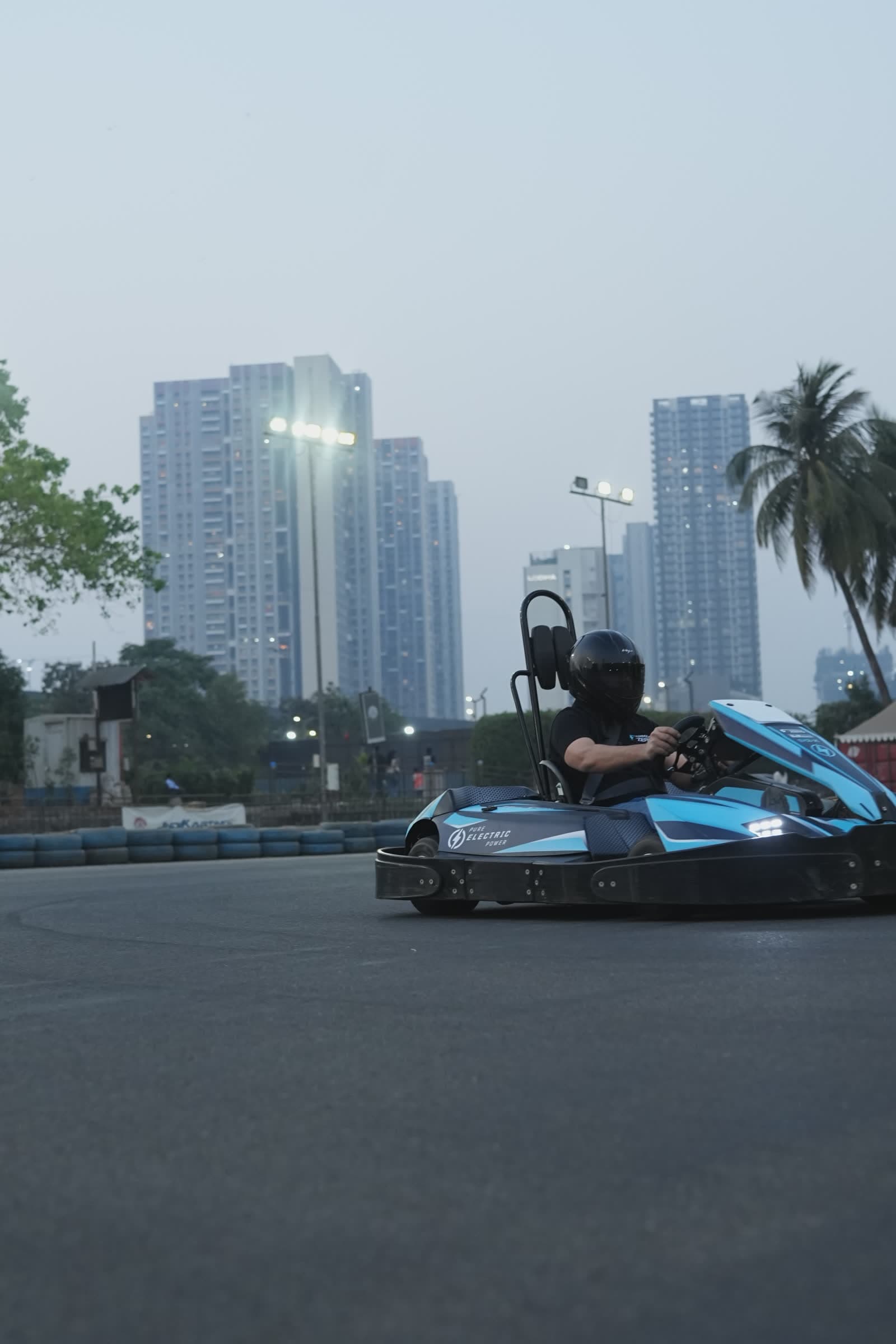
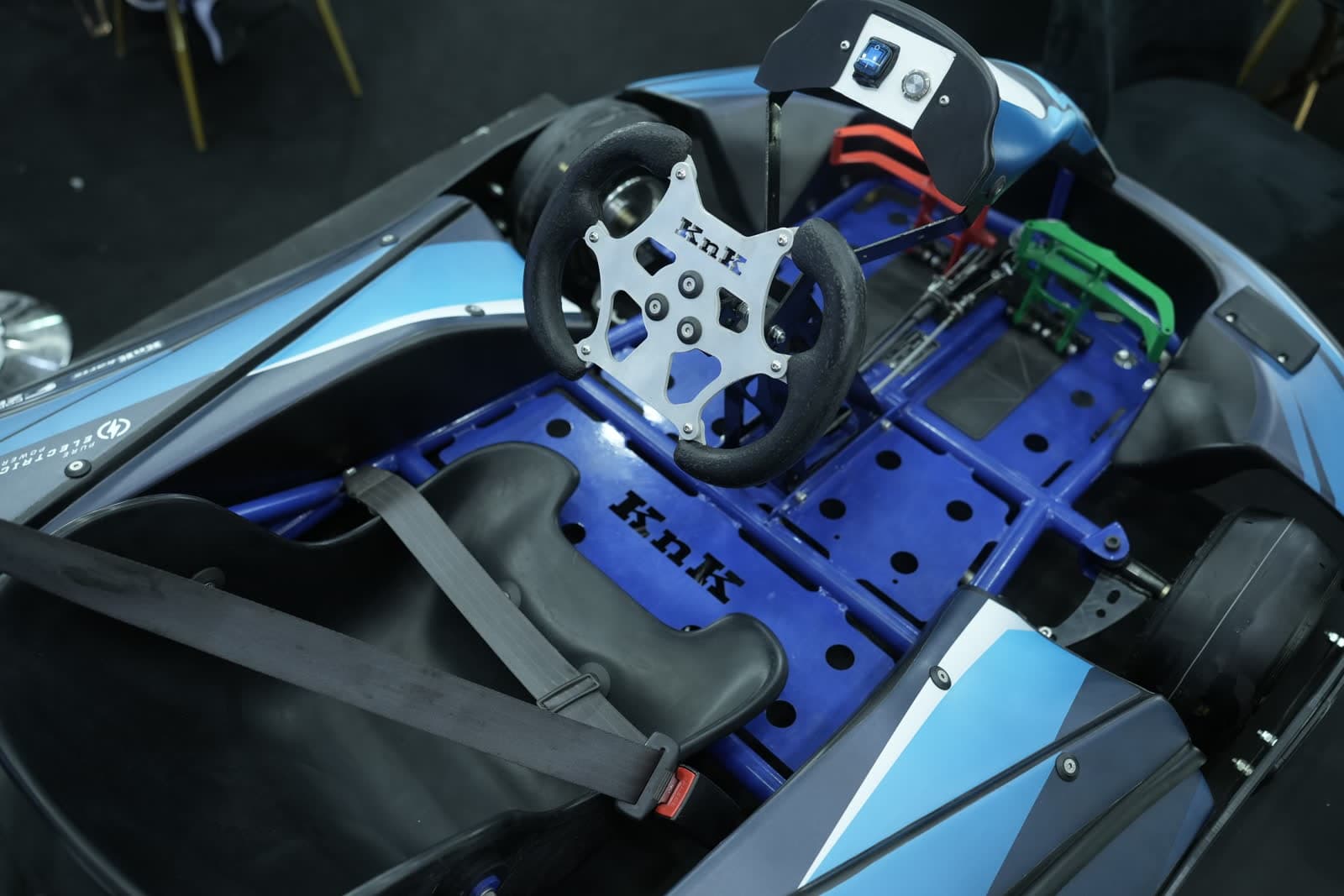
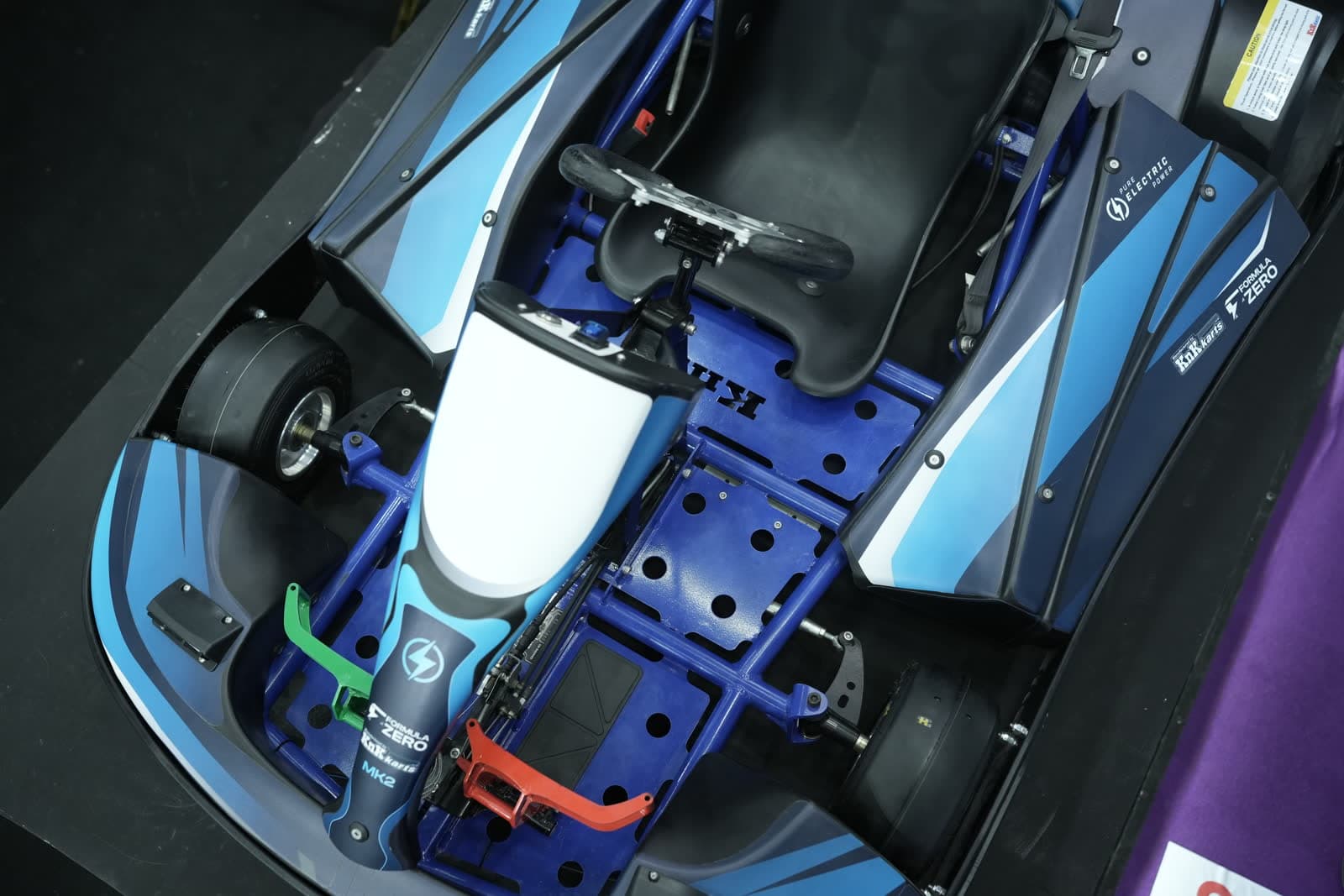
Petrol karts have engines, carburettors, exhaust systems, chains, and clutches. That's dozens of wear points that demand weekly attention. Electric karts like the Formula-Zero EK2-X eliminate the entire combustion drivetrain. No oil changes, no spark plugs, no chain tensioning. The maintenance checklist drops from 15+ items to under 5.
If you're still scheduling maintenance windows based on petrol kart assumptions, you're over-maintaining electrics or under-utilising your fleet. Both cost money.
Mistake 2: Ignoring Battery Health Until It's a Problem
Battery degradation doesn't announce itself with smoke or noise. It shows up as shorter runtimes and slower charge cycles. Smart BMS monitoring catches this early. Formula-Zero karts provide real-time SOC, voltage, and temperature data via IoT diagnostics, so operators can spot degradation trends weeks before they affect session scheduling.
The fix is simple: monitor charge cycles, keep batteries within rated temperature ranges (10-45°C operating), and rotate karts evenly across your fleet. Even wear means even performance.
Mistake 3: Reactive Scheduling
Waiting for something to break is the most expensive maintenance strategy. A single kart down during a Saturday rush costs you 8-12 lost sessions. At ₹500 per session, that's ₹4,000-6,000 gone.
Electric karts make preventive scheduling easier because the failure modes are predictable. Tyres, brake pads, and bearings wear on known intervals. Electronic brake assist on the EK2-X reduces pad wear by maintaining consistent braking force, extending replacement intervals by 30-40% compared to purely mechanical systems.
Mistake 4: Not Tracking Per-Kart Economics
Every kart in your fleet should have a maintenance cost per session number. If kart #7 costs ₹45 per session in parts and labour while the fleet average is ₹18, that's a signal. Maybe it needs a component overhaul. Maybe it's taking harder use on a specific track section.
Formula-Zero's remote fleet monitoring gives operators the data to make these calls. Track speed profiles, battery cycles, and error codes per kart, not per fleet.
Mistake 5: Overlooking Operator Training
Your ground staff handle karts 50+ times a day. Rough handling during charging, improper connector seating, or skipping pre-session checks compounds into real damage over months. A 30-minute training session saves thousands in avoidable repairs.
The Bottom Line
Electric karts don't just reduce maintenance costs. They make maintenance predictable. And predictable maintenance means predictable revenue. Check your fleet's unit economics with our ROI calculator, or talk to our team about building a maintenance plan that keeps every kart earning.