What to Look for When Buying Commercial Go-Karts
The kart you buy determines your margins for the next 5 years
A 10-kart fleet is a ₹25-50 lakh investment. Get it wrong, and you're locked into high maintenance costs, poor uptime, and thin margins for half a decade. Most first-time track owners focus on sticker price. Operators who stay profitable focus on total cost of ownership, throughput, and serviceability.
Here's what actually matters when selecting commercial karts for an Indian track.
1. Powertrain: electric vs petrol is a business decision
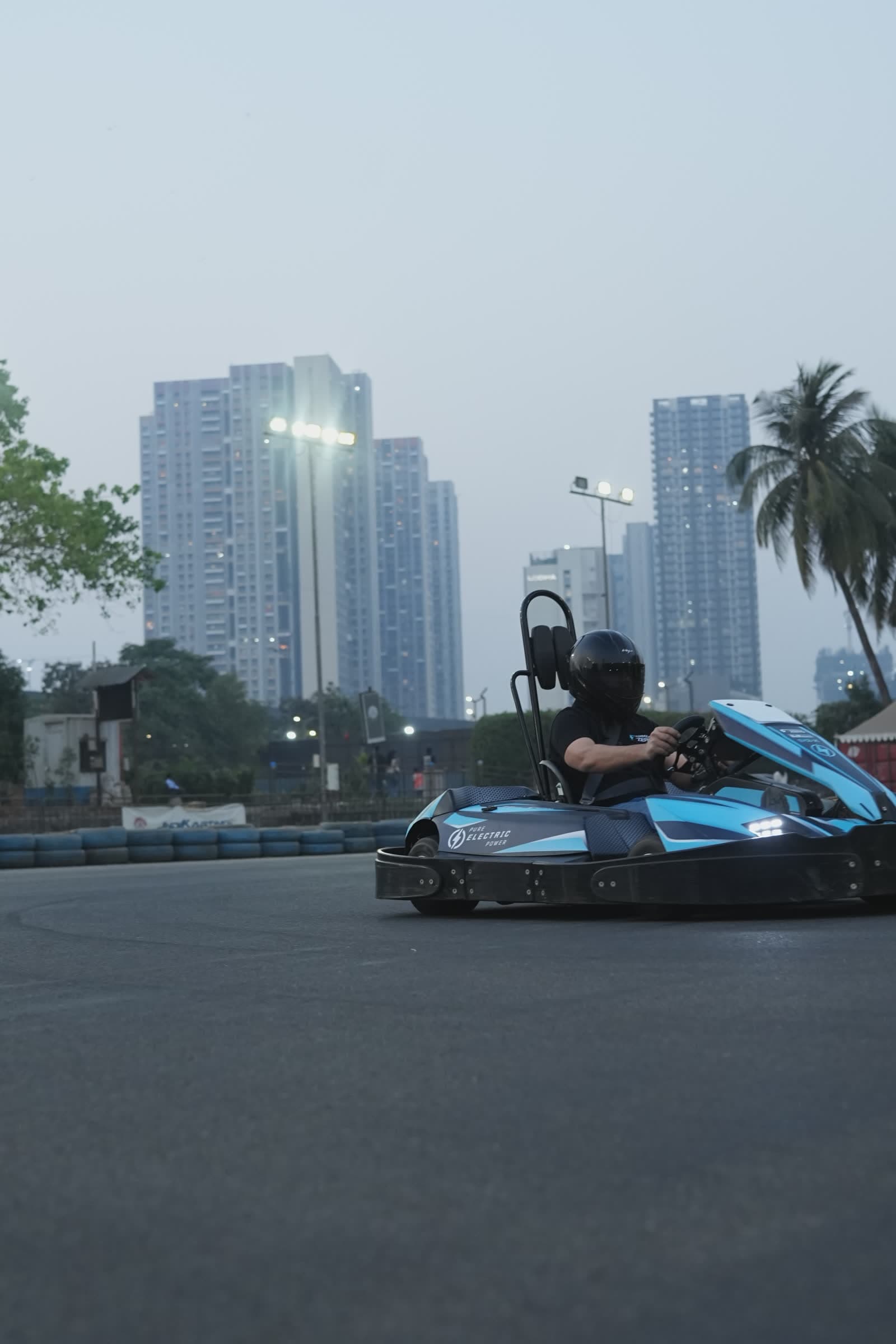
Petrol karts cost less upfront but bleed money in fuel, oil changes, and engine rebuilds. Electric karts cost ₹0.8-1.2 per km to run vs ₹4-6 per km for petrol. Over three years, a 10-kart electric fleet saves ₹40+ lakhs in operating costs. That's not ideology. That's unit economics. Run the numbers for your track here.
2. Chassis build quality and track record
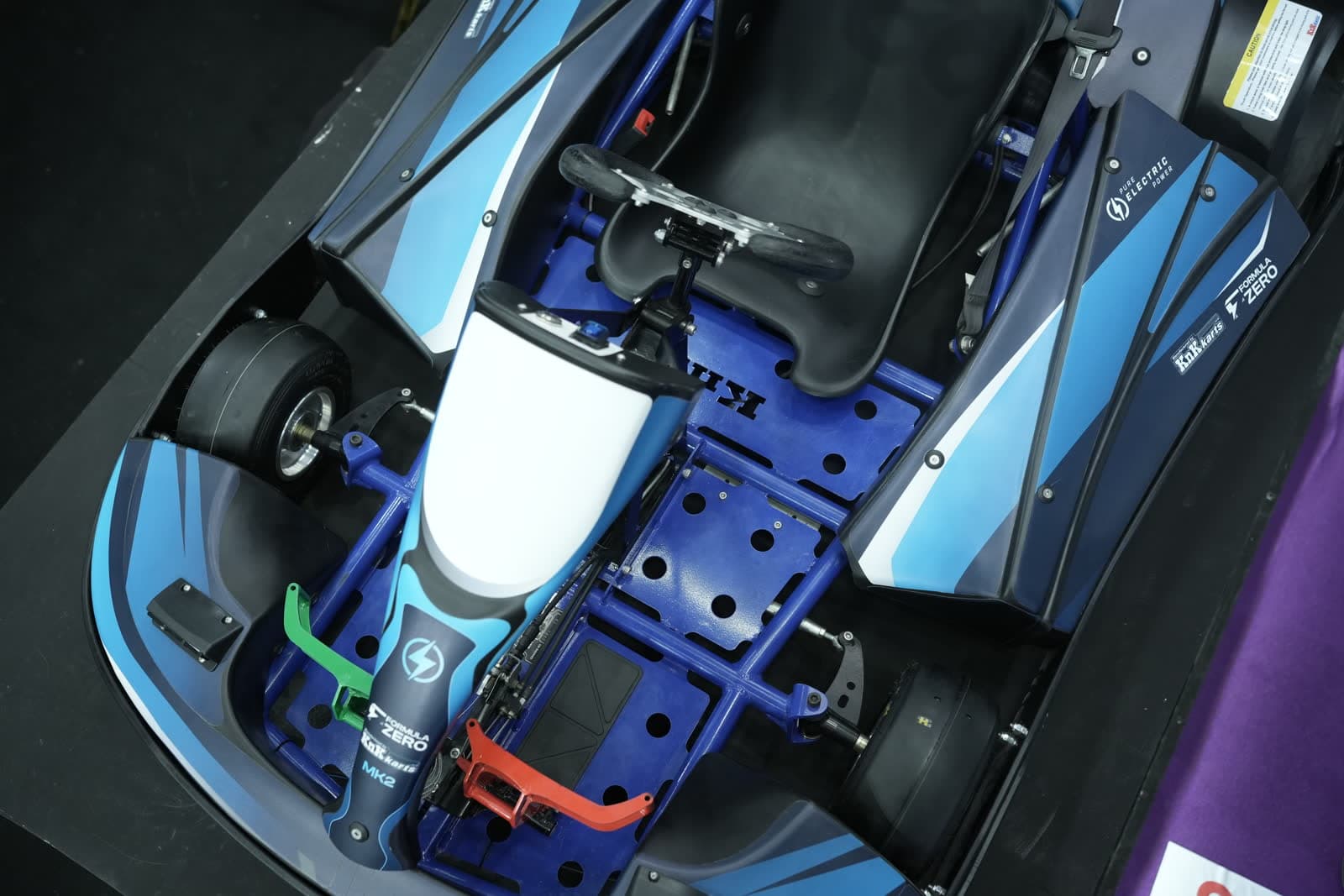
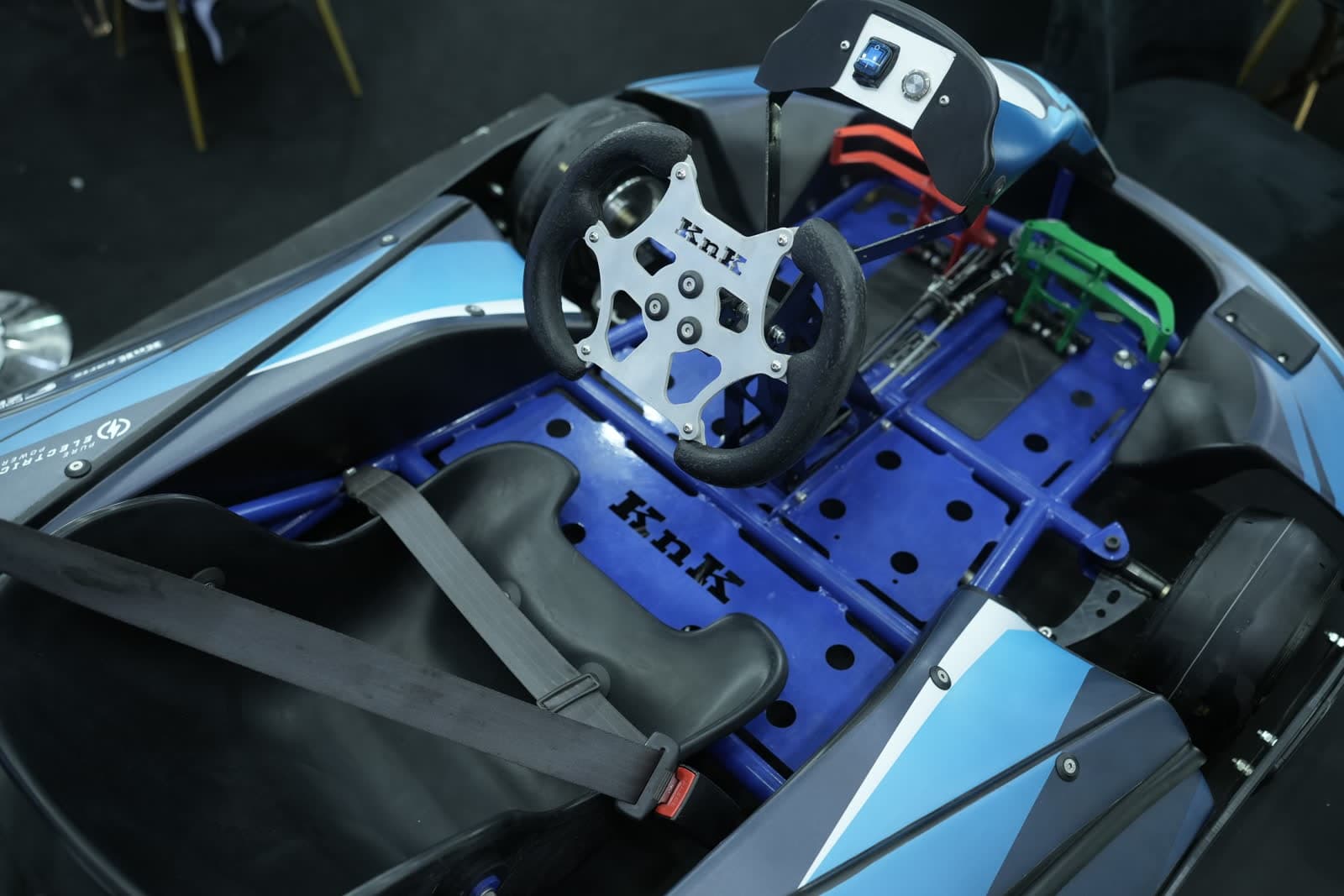
The chassis takes daily abuse from inexperienced drivers. Look for CNC-machined tubular steel frames with bolt-on bumper systems. Welded bumpers mean full-chassis downtime for a simple collision repair. Ask the manufacturer: how many commercial tracks run your chassis today? Formula-Zero partners with KnK Karts, which has 25 years of commercial chassis experience across global markets.
3. Battery runtime and charging speed
Runtime under 45 minutes per charge means fleet gaps during peak hours. You need either long runtime (60+ minutes) or fast charging that keeps karts rotating. Formula-Zero's FlashCharge delivers a 10-minute top-up to 80%, so karts cycle back onto the grid without sitting idle. Ask any vendor: what's your charge time to 80%, and what's the real-world runtime at full load?
4. Software and fleet management
Consumer karts have a throttle and a brake. Commercial karts need software-defined speed profiles per session type (kids, adults, competitive), remote speed intervention, session timing integration, and per-kart telemetry. Without these, you're managing a fleet with guesswork. Formula-Zero's kart lineup includes configurable drive presets and real-time fleet monitoring as standard.
5. Serviceability and parts availability
The real cost of a kart shows up when something breaks. Key questions: Are spare parts stocked in India or shipped internationally? Can your track mechanic replace components, or do you need factory technicians? What's the mean time to repair? Domestic manufacturing and common electrical components mean days of downtime, not weeks.
6. After-sales support structure
A manufacturer who disappears after delivery is a liability. Look for documented maintenance schedules, training for your staff, and a responsive support channel. The cheapest kart becomes the most expensive when you can't get help at 6 PM on a Saturday.
The Best Go-Kart for Commercial Use in India (2026)
Global "best commercial kart" lists usually name Sodikart, OTL, RiMO, Biz Karting. All are strong chassis manufacturers built for European and US fleet operators. For an Indian track owner, the answer has to factor spare-parts availability, service response time, GST, and import duty on top of the kart price. On those criteria, the short list narrows fast.
Here is how the realistic options stack up for a commercial track in India:
| Kart | Use Case | Runtime | Top Speed | Delivered in India |
|---|---|---|---|---|
| Formula-Zero EK2-X | Premium adult, long sessions | 100 min | 80 km/h | Quote on request |
| Formula-Zero MK2 | High-throughput rental, QuickSwap | 70 min | 55 km/h | ₹3.6L + GST |
| Formula-Zero TSE | Twin-seater (doubles revenue/session) | 50 min | Variable | ₹5.5L + GST |
| Formula-Zero Gen-Z | Kids / entry-level (ages 5-10) | 50 min | 35 km/h | Quote |
| Sodikart RSX2 | Premium adult, imported | 60-70 min | 70 km/h | ₹7-9L landed |
| Petrol rental kart | Outdoor budget fleets | Refuel-bound | 40-55 km/h | ₹1.5-2.1L |
For the adult rental segment, the EK2-X matches or beats imported premium karts on top speed and runtime at roughly half the landed cost, and it is already deployed at Smaaash Mumbai, MIKA Chennai, and Woop! Bengaluru. The MK2 is the workhorse for high-throughput rental where QuickSwap batteries keep every unit earning through peak hours. For family venues, the TSE is the only commercial electric twin-seater in the Indian market, doubling riders per session without doubling kart count.
Two rules of thumb: never buy a single-model fleet if your venue serves mixed segments, and never buy a kart whose spare parts ship from overseas if your track opens in under six months.
The bottom line
Sticker price is the least important number in this decision. Total cost per session over 3-5 years, uptime percentage, and revenue per kart per day are what determine whether your track prints money or bleeds it.
Talk to Formula-Zero to get a fleet recommendation matched to your track format, capacity, and budget.